
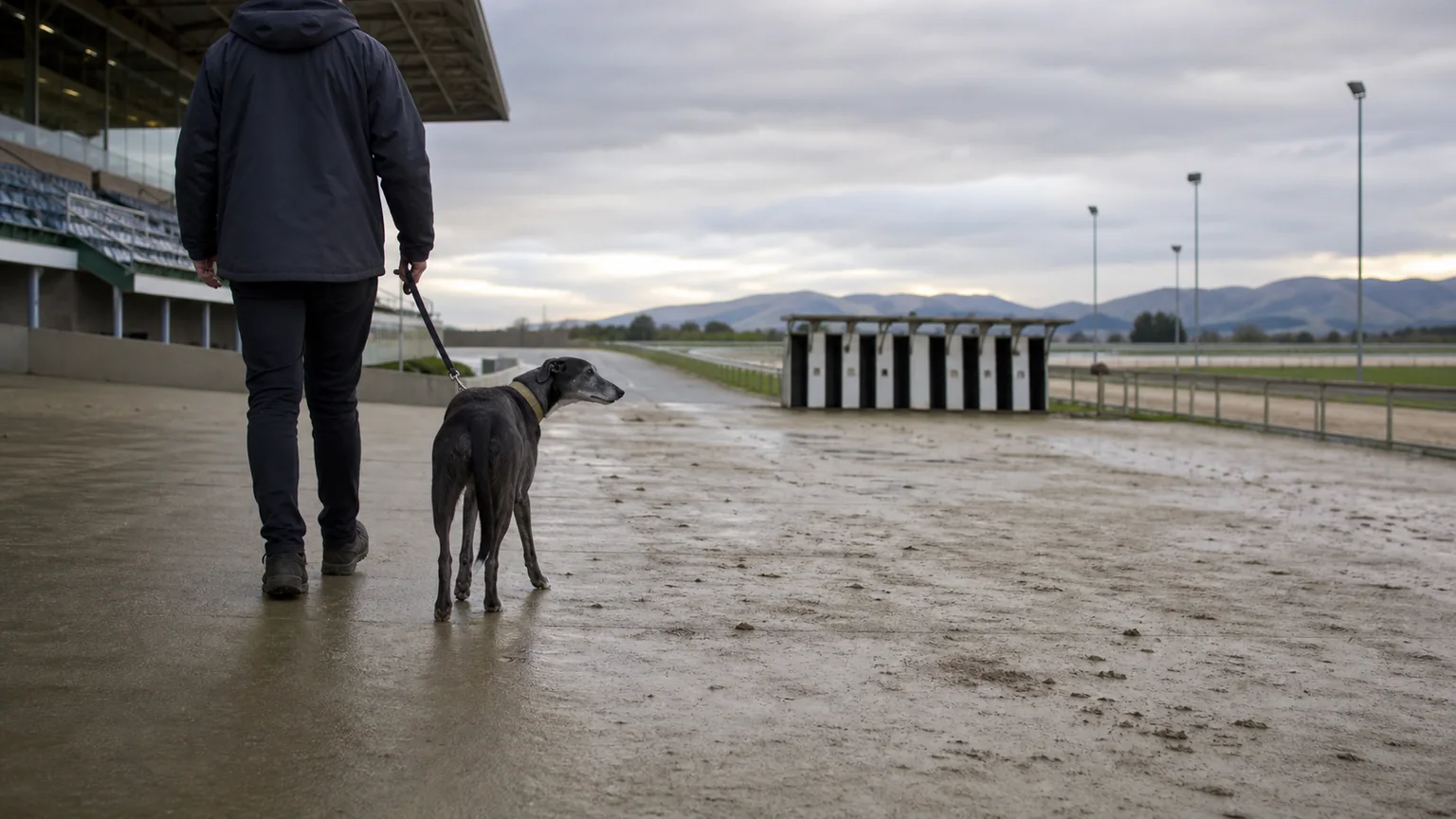
New Zealand has ended commercial greyhound racing nationwide after the second stage of the law closing the industry took effect on August 1, 2026. From that date, greyhound racing is no longer an authorised form of racing under the Racing Industry Act 2020, removing the legal basis on which clubs could stage races for the commercial betting system.
The change is more than a cancellation of future meetings. It begins the operational shutdown of an entire regulated gambling vertical. Existing greyhound clubs are treated as no longer racing, betting licences tied to future greyhound dates cannot continue, and the industry’s remaining records, responsibilities and assets move through a statutory transition process.
The Department of Internal Affairs describes August 1 as the start of stage two in a three-stage closure. The immediate focus now shifts from preparing for cessation to winding up Greyhound Racing New Zealand, closing clubs in an orderly way, supporting affected participants and continuing the rehoming and welfare work for dogs leaving the racing system.
What Changed on August 1
The Racing Industry (Closure of Greyhound Racing Industry) Amendment Act 2026 removes the mechanisms through which commercial greyhound racing was lawfully conducted. The updated legislation declares every greyhound racing club in existence on August 1 to be no longer racing because the activity it previously carried out is no longer authorised under the Act.
The betting consequences are equally direct. TAB NZ must not issue a betting licence to a greyhound racing club on or after August 1. Licences already issued for greyhound racing dates falling on or after the cutoff are subject to revocation, closing the connection between domestic greyhound meetings and New Zealand’s legal racing-betting framework.
The ban is specific to commercial greyhound racing. Thoroughbred and harness racing remain recognised racing codes, while TAB NZ continues as the country’s sole domestic provider of racing and sports betting. The reform therefore removes one racing code rather than ending regulated race wagering as a whole.
A Managed Closure, Not an Overnight Dissolution
Although racing stopped under the law on August 1, not every organisation disappears on the same day. The closure framework allows administrative work to continue so that contracts, records, complaints, assets and other outstanding matters can be handled rather than abandoned. That distinction is important for employees, owners, trainers, clubs, creditors and public bodies dealing with the industry.
The Greyhound Racing Transition Agency sits at the centre of that work. Its statutory objectives include planning and overseeing the closure, facilitating greyhound rehoming and supporting people affected by the shutdown. The Agency can also take over information, records and unfinished matters when Greyhound Racing New Zealand is dissolved or removed from the register.
Greyhound Racing New Zealand must comply with the transition plan while it still has functions to perform. Once the Agency determines that those functions are finished, the code can be dissolved or removed from the register and its surplus assets vest in the Agency. Clubs follow their own consultation and winding-up route, including decisions about surplus property.

Why New Zealand Chose Closure
The government first announced its intention to close the industry in December 2024 after years of scrutiny over greyhound welfare. A 2021 review led by Sir Bruce Robertson identified concerns about data recording, transparency and animal welfare, and the industry was placed on notice that it needed to improve or face closure.
A ministerial advisory process then developed the practical model for ending racing. The Department of Internal Affairs says Cabinet accepted recommendations for a transition agency, a formal closure plan, rehoming support and assistance for industry participants. Parliament later converted that structure into legislation with staged commencement dates.
The policy choice was therefore not presented as a short suspension pending new racing rules. It was designed as a permanent removal of commercial greyhound racing from the statutory system, accompanied by safeguards intended to prevent dogs and people from carrying the full cost of an unmanaged shutdown.
What the Closure Means for Betting and Clubs
For clubs, the most immediate commercial effect is the loss of authorised racing dates and the betting activity connected to them. Venue operations, employment arrangements, sponsorships and service contracts built around greyhound meetings must now be settled through the closure framework. Individual outcomes will depend on each club’s structure, obligations and assets.
For TAB NZ, the law removes domestic greyhound racing as a product generated by New Zealand clubs. The legislation is framed around the authorisation of the racing activity and the licences supporting it, so readers should not assume that every overseas greyhound market or every historical betting record disappears from view. The clear national change is that commercial races can no longer be staged under New Zealand’s racing law.
CasinoWire’s casino regulation coverage tracks comparable decisions where governments reshape or close legal gambling products. New Zealand’s case is unusually consequential because it replaces continuing supervision of a vertical with a national wind-down process.
Greyhound Welfare Remains a Long-Term Task
Stopping races does not complete the welfare work. Dogs still need suitable housing, veterinary care and permanent homes, while authorities must retain enough information to track outcomes. The transition framework specifically makes rehoming a public responsibility of the Agency rather than treating it as an optional activity left entirely to former participants.
Existing rules also continue for limited transitional purposes, including unresolved complaints, investigations and adjudicative processes that began before the cutoff. That preserves accountability for matters already in the integrity system and avoids allowing the closure date to erase unfinished cases.
People affected by the ban also face a longer adjustment. Trainers, kennel workers, club staff, owners and contractors may need employment, business or financial support. The law creates machinery for the transition, but it does not mean every private loss is automatically compensated or that every property issue will be resolved on the same timetable.
The Final Stage
Stage three will begin on a date set by Order in Council, no later than August 1, 2031. It will repeal closure provisions once the remaining work is complete and allow the Transition Agency to be disestablished. The current framework anticipates that the Agency may finish earlier, but it also allows additional time if the wind-down requires it.
That long-stop date shows the difference between ending races and finishing an industry closure. Commercial meetings have ceased, yet legal, financial, welfare and administrative work may continue for years. Progress should therefore be measured not only by the absence of races, but by transparent reporting on rehoming, club dissolution, asset transfers and support for participants.
Bottom Line
New Zealand’s August 1 change is a complete national exit from commercial greyhound racing, not a temporary pause. Clubs are legally treated as no longer racing, the betting-licence pathway for future domestic meetings is closed, and remaining industry functions move into a supervised transition.
The success of the policy will now depend on execution. The government has ended the gambling product through legislation; the harder continuing test is whether it can wind up the organisations fairly, protect the dogs involved and provide clear accountability until the last transitional duties are finished.
Primary source: New Zealand Department of Internal Affairs
Primary source: New Zealand Legislation
