An online casino account can be created successfully and still refuse a wager because registration and physical-location checks answer different questions. Identity verification establishes who the customer is. Geolocation determines where the device is when gambling activity occurs. In markets where online casino play is limited to a state, province or country, an operator must be able to block wagers placed outside the authorized boundary.
The technology can feel intrusive or unreliable when a legitimate player is rejected. Understanding the signals involved helps explain why a home near a border, disabled Wi-Fi, remote-access software or an outdated app can affect the result. It also clarifies why a virtual private network is not an appropriate workaround.
Why physical location matters
Online gambling permission is territorial. New Jersey, for example, requires authorized internet gaming to occur within the state, even though a visitor does not have to be a New Jersey resident. A person may register or manage parts of an account elsewhere, but the operator must prevent unauthorized wagering.
Other markets use different boundaries and product rules. Sports betting may be legal where online casino games are not, and tribal, provincial or national frameworks can overlap. The operator therefore checks the activity, customer and current location against the authorization it holds.
Location controls support licensing, tax and consumer-protection rules. They are not merely a marketing preference that customer service can ignore.
Geolocation uses more than an IP address
An internet protocol address provides a rough indication of where a connection originates, but it can be inaccurate. Mobile carriers route traffic through distant gateways, corporate networks centralize connections, and VPNs deliberately change the apparent source.
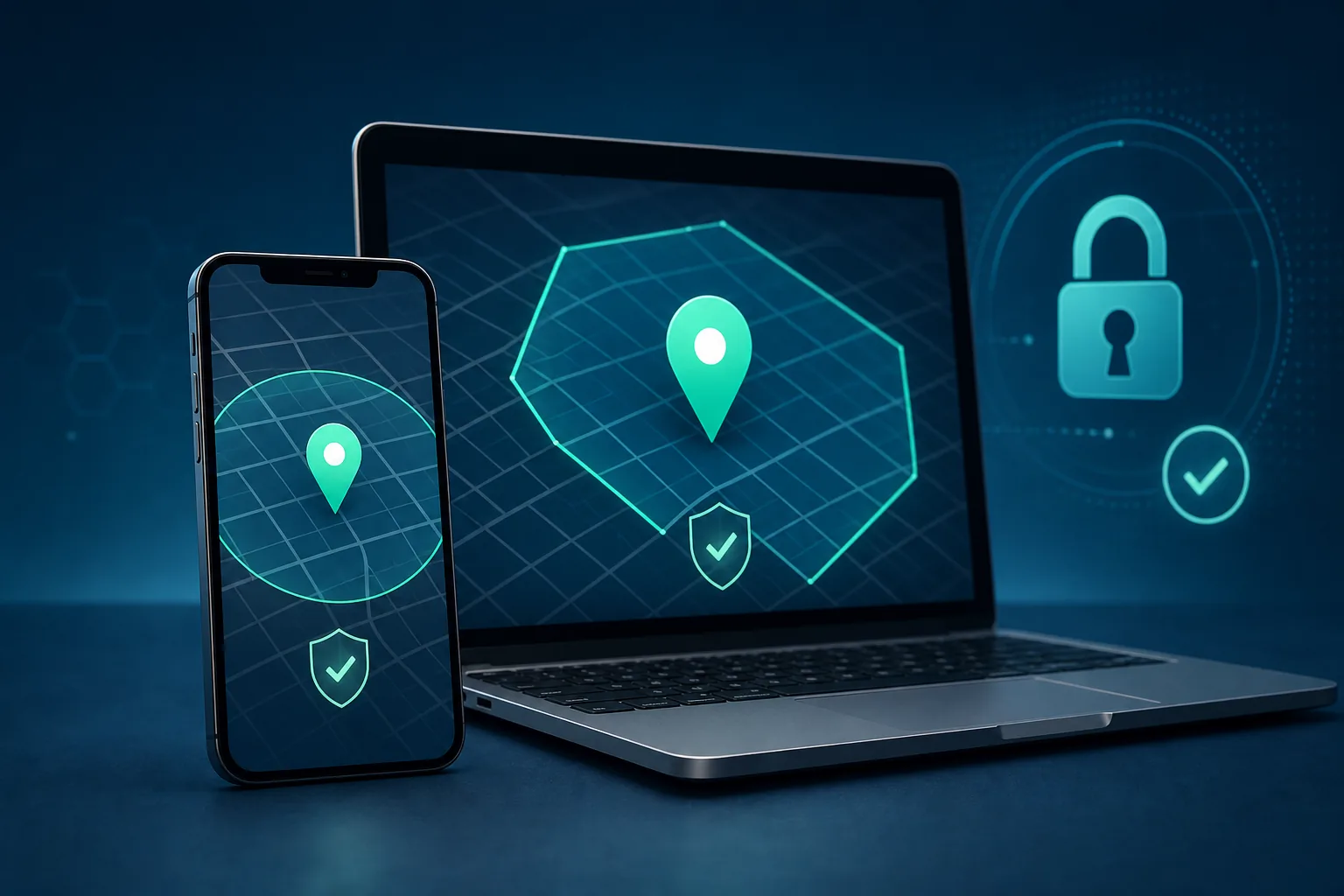
Regulated systems can combine several signals. A phone may provide GPS and nearby Wi-Fi information. A computer can be assessed through Wi-Fi access points, network data and approved location software. Mobile networks, device identifiers and consistency checks add context. The exact combination depends on the jurisdiction, operator, platform and device permissions.
Using multiple sources makes simple location spoofing harder and helps the system distinguish a device inside the boundary from traffic merely routed through it.
Why Wi-Fi may be required
A desktop computer connected by cable may still be asked to enable Wi-Fi. The system may use nearby wireless access points as location references without requiring the player to join a public network. Turning the wireless adapter off can remove an important signal.
Sparse access-point data can also cause difficulty in rural locations. In dense areas, nearby networks provide more reference points. A newly installed router may not yet appear in commercial location databases.
Players should follow the operator’s official setup instructions and grant only the permissions described there. Installing an unknown browser extension supplied through chat or email is unsafe.
Border areas create uncertainty
Geolocation systems include confidence thresholds. A device physically inside a state but very close to its border may be rejected because the available signals cannot establish location with enough certainty. The system is designed to prefer a false rejection over accepting an illegal wager.
Moving farther inside the permitted area can improve confidence, but players should not drive or relocate while actively gambling. Stop the session, use a safe stationary location and try again. The legal boundary—not the billing address or cell-tower location—controls eligibility.
A location check may repeat during play. Passing at login does not authorize the account indefinitely if the device later moves or signals change.
Common reasons a check fails
Disabled location services are a frequent cause. The casino app or browser may lack permission to access precise location, or the operating system may block it globally. An outdated app, browser or geolocation component can also be incompatible.
VPNs, proxy services, remote-desktop tools and some corporate security software can obscure the device’s real location. Even when used for an unrelated privacy or work purpose, they may trigger a block. Virtual machines and device settings that prevent required scans can have the same effect.
Network changes matter. Switching between cellular data and Wi-Fi, using a mobile hotspot or losing signal during a round can prompt re-verification. A clock or operating-system error can interfere with signed location data.
The rejection message may be generic because revealing every fraud-detection rule would help people bypass it.
Safe troubleshooting steps
First, confirm that the product is legal and the operator is licensed for the current location. Then close any VPN, proxy or remote-access application, including programs running in the background. Enable location services and Wi-Fi, and confirm that the verified casino app or browser has permission.
Update the operating system, casino app and any approved geolocation component through official sources. Restart the device and router if the operator recommends it. Try a private home connection rather than public or corporate Wi-Fi.
If the check still fails, contact support through the casino’s verified website. Provide the error code, device type, operating-system version, time and general location. Do not send a password, one-time code or unnecessary identity document.
Why VPNs are not a solution
A VPN changes the route and apparent IP location; it does not make an out-of-state wager lawful. Attempting to defeat a location control can violate casino terms and local law, lead to account restrictions and complicate withdrawals or disputes.
Instructions that promise to bypass geolocation are a warning sign. A regulated operator should diagnose false rejections, not coach a customer around the boundary. If a casino actively encourages masking location, verify its licence before sending money.
Privacy concerns are legitimate, but the appropriate response is to read the operator’s privacy notice, review permissions and decide whether to use the service. Spoofing required regulatory data is not a privacy control.
Location data and privacy
The operator should explain what location data it collects, why it is needed, which service providers receive it, how long it is retained and how account holders can exercise applicable privacy rights. The required detail depends on local data-protection law.
Geolocation providers should receive only the access needed for the stated function. Players can review app permissions after a session, although disabling them will likely prevent later wagers. Deleting an app does not necessarily delete account records that the operator must retain for regulatory purposes.
Interrupted play and disputed location
If location is lost during a game, the outcome should be handled under the casino’s interrupted-game rules. Do not repeatedly place new wagers while the status is unclear. Record the round ID, balance, timestamp and error message, then allow the game or support process to reconcile the transaction.
A complaint should begin with the operator’s published procedure. If unresolved, the applicable regulator or approved dispute body may offer the next route. A screenshot is useful, but the server-side transaction record normally determines whether a wager was accepted and settled.
The practical conclusion
Geolocation is a legal gate around wagering, not a residence test and not a prediction based on one IP address. It combines device and network evidence to determine whether play occurs within an authorized area.
False rejections can often be resolved by enabling legitimate signals, removing conflicting software and updating verified components. The line that should not be crossed is evasion. If the system cannot confirm an eligible location, pause play and resolve the check through the licensed operator.