
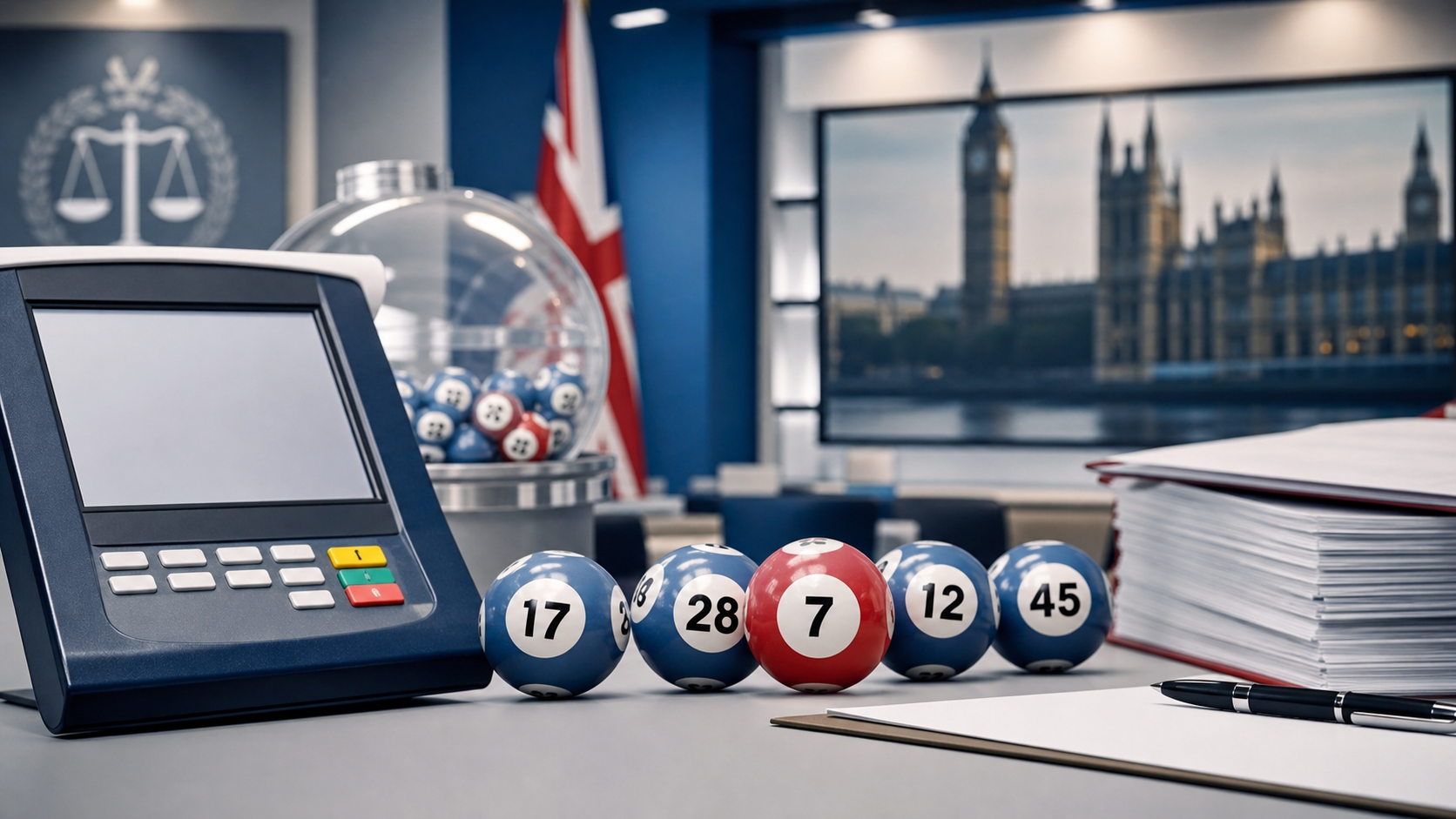
The UK Gambling Commission has opened the regulatory door for Powerball to enter the British National Lottery framework, giving Allwyn Entertainment a new Section 6 game licence for the US-style draw game. The Commission's public Powerball licence page lists a dedicated Section 6 Licence for Powerball dated July 2026, confirming that the game now sits inside the National Lottery licensing structure rather than outside it as a separate lottery product.
The approval matters because Powerball is not a small product launch. It is one of the best-known lottery brands in the United States, built around very large rolling jackpots and cross-jurisdiction prize pools. Bringing that format into the UK National Lottery requires more than a commercial decision by the operator. It requires the regulator to be satisfied that the product is lawful, that licence conditions can cover the game, that player risks have been considered and that the product can still contribute to the public-benefit purpose of the National Lottery.
Why Section 6 Approval Matters
A Section 6 licence is important because it is the mechanism through which individual National Lottery games are authorised. Allwyn already holds the main licence to operate the National Lottery, but new games still need to fit within the Commission's game-specific licensing framework. That distinction is central to the Powerball story: the decision is not simply that Allwyn can market a new jackpot product, but that the regulator has issued a game licence for a product with a different structure, brand history and risk profile from existing UK draw games.
For operators and suppliers, this creates a useful precedent. It shows that the UK National Lottery framework can absorb a major international game, but only after the product is reviewed through the formal licensing channel. The Commission's role is to test whether the game can be offered consistently with the National Lottery's statutory purposes, not merely whether players might find it attractive.
The Player-Protection Question
Powerball's main appeal is the possibility of unusually large jackpots. That is also where the regulatory concern sits. Large jackpot products can change player behaviour because they create attention spikes, media coverage and stronger emotional pull around rollover periods. The Commission's assessment therefore has to look beyond the mechanical rules of the draw and consider how the product may affect participation, spend patterns and gambling harm.
The user-facing issue is not whether a lottery ticket is the same as online casino play or sports betting. It is whether marketing, access and product design encourage safe participation. A £4 line, very long jackpot odds and high public visibility can be acceptable inside a lottery framework only if players receive clear information and if the operator can monitor risk signals. The regulator's approval signals that those questions were considered before the licence was made public.
Allwyn Gets a Major Product, With Ongoing Scrutiny
For Allwyn, Powerball gives the National Lottery a fresh high-profile game at a time when lottery operators are under pressure to maintain participation, modernise retail and digital channels and keep contributions flowing to good causes. The commercial upside is obvious: Powerball has a global reputation for giant jackpots and a simple, recognisable draw format.
But the approval also creates obligations. The regulator will expect the operator to track how the product performs, how it is promoted and whether it creates risk beyond normal lottery participation. That includes how Powerball is presented online, in retail environments and around jackpot peaks. If the product succeeds commercially but produces evidence of excessive play or misleading marketing, the same regulatory process that allowed the game can become the basis for tighter controls.
A Wider Signal for Lottery Regulation
The larger policy signal is that lottery regulation is becoming more active and product-specific. Regulators are not simply approving an operator and then stepping back. They are examining individual games, rule changes, marketing approaches and player-protection evidence. That is particularly important when a product developed in one gambling culture enters another market with different public expectations.
Powerball's UK launch should therefore be watched by lottery operators, gambling lawyers, retail partners and responsible gambling teams. If the model works, it may encourage more cross-border lottery products. If it creates controversy, it may lead to a more cautious approach to jackpot-led expansion.
Bottom Line
The Commission's Powerball approval is a high-value regulatory decision, not just a product announcement. It allows a major US lottery game to enter the British National Lottery, but through a game-specific Section 6 licence and under the continuing expectations of player protection, lawful operation and public-benefit contribution.
That makes the story important beyond one draw game. It shows how the UK regulator is willing to permit lottery innovation, but only where the product can be placed inside a licensing structure that accounts for risk as well as revenue.
Source: UK Gambling Commission