
Galaxy Entertainment Group’s second-quarter 2026 results show a sharper divide inside its Macau gaming mix. Mass-market gross gaming revenue (GGR) rose 8% year over year and electronic GGR increased 19%, while VIP GGR fell 32%.
The group reported Q2 net revenue of HK$11.8 billion and adjusted EBITDA of HK$3.4 billion. Total group GGR was approximately HK$12.0 billion, broadly unchanged from the prior-year quarter, but the stable headline concealed a substantial shift between customer segments.
Mass GGR reached HK$9.5 billion and electronic GGR rose to HK$934 million. VIP GGR declined to HK$1.6 billion. The result strengthens the view that Macau operators are increasingly dependent on premium mass, broader mass-market visitation and electronic products rather than the traditional VIP model.
Mass Gaming Carries the Revenue Mix
Mass gaming accounted for the large majority of Galaxy’s reported quarterly GGR. Its 8% increase was enough to offset much of the pressure from VIP, while electronic gaming added another area of double-digit growth.
The segments have different economics. Mass customers generally do not rely on the same rolling-chip and credit structures historically associated with junket-driven VIP play. A stronger mass mix can therefore support a different margin profile, although property costs, promotions and player reinvestment remain important.
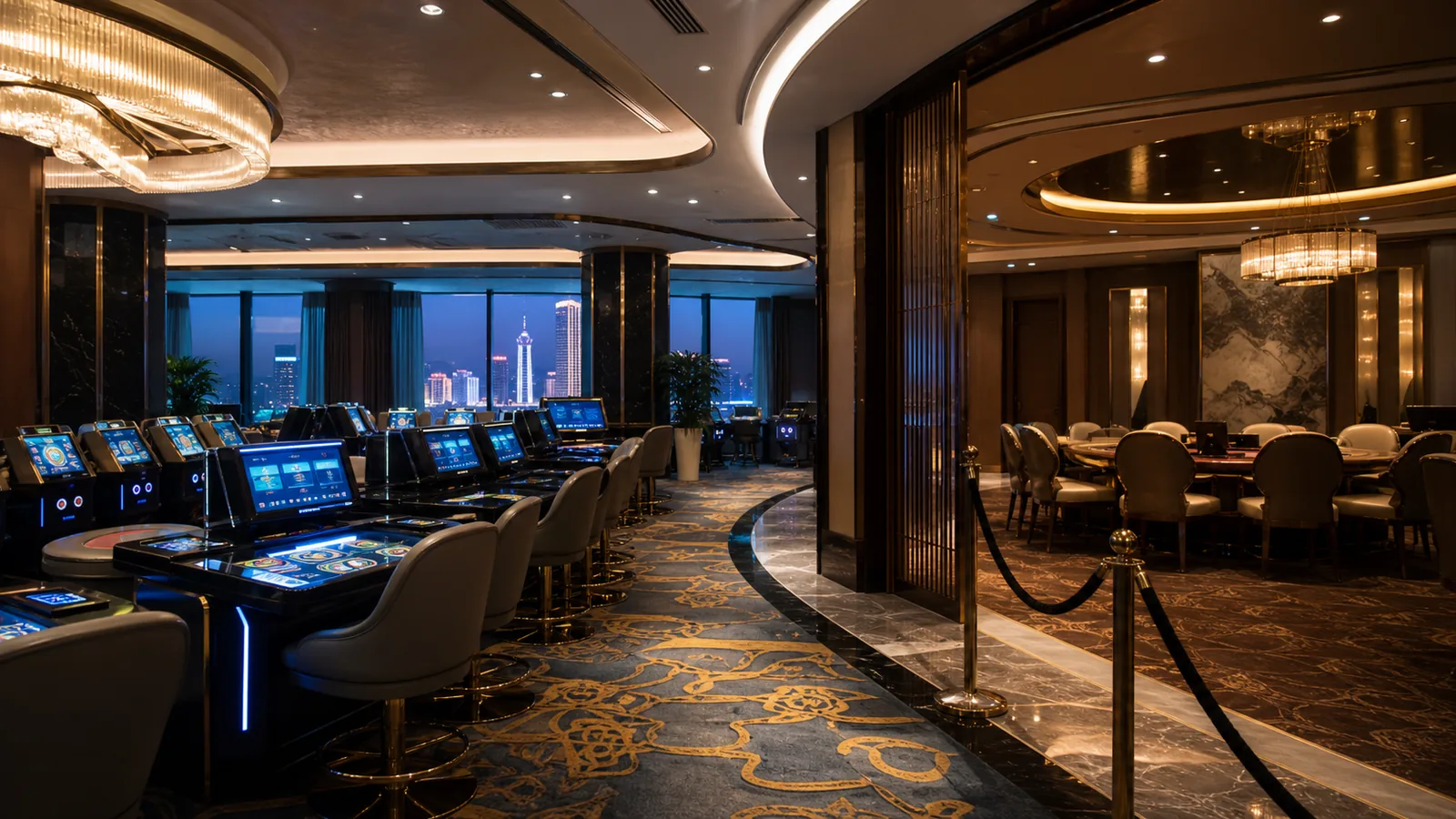
Electronic GGR is smaller than the table-game mass segment but grew faster. Electronic table games and machines can serve a high volume of players, offer lower minimum bets and use floor space differently from traditional live tables. Growth in that category may help an integrated resort broaden its product range without depending entirely on additional staffed tables.
The figures do not show that every mass customer or electronic product performed equally. They are group-level results. Property-level disclosures, visitation and spending patterns remain necessary to understand where the growth was generated.
VIP GGR Falls 32%
Galaxy’s HK$1.6 billion in VIP GGR represented a 32% year-over-year decline. Because VIP play can be volatile and sensitive to win rate, volume and customer concentration, a single quarter should not be treated as a permanent trend by itself.
Even so, the scale of the decline matters. Macau’s casino market has been reshaped by tighter junket regulation, changes in customer acquisition and operators’ greater emphasis on non-gaming amenities and premium direct relationships.
For Galaxy, the result means growth is coming from a different part of the floor. Mass and electronic improvements are not simply additional revenue streams; they are cushioning a material contraction in the segment that once defined much of Macau’s high-end casino business.
Operators will continue to pursue valuable premium customers, but the modern VIP strategy is more likely to be integrated with hotels, dining, entertainment and direct player relationships. That requires careful compliance, credit and marketing controls as well as a luxury product.
Normalized Gaming Performance Improves
Within the Gaming & Entertainment division, Galaxy said normalized net revenue increased 6% year over year and normalized adjusted property EBITDA rose 9%. The normalized margin improved from 30.5% to 31.4%.
Normalized results adjust for the effect of luck in gaming operations and are intended to show underlying performance under a standardized hold assumption. They are useful for comparing periods, but they are non-GAAP management measures and should be considered alongside reported figures.
The margin increase suggests that the evolving mix did not prevent operating leverage in the division. Mass growth, electronic performance and cost management can all contribute, although the published group figures do not allow every driver to be isolated.
Reported adjusted EBITDA of HK$3.4 billion and net revenue of HK$11.8 billion also show the scale of the operation. Small percentage changes in mix can translate into significant amounts across Galaxy Macau, StarWorld and the wider portfolio.
Capella and Phase 4 Support the Next Growth Cycle
Galaxy continues to ramp up Capella at Galaxy Macau, a high-end hospitality product aimed at valuable customers. The development can support premium-mass demand by combining suites, service, dining and entertainment with access to the resort’s gaming offer.
The group is also progressing Phase 4, which is expected to add more hotel, entertainment and casino capacity. New supply gives Galaxy room to attract additional visitors, but it also increases execution risk and the need to generate returns on capital.
A development program must be evaluated against demand rather than only opening dates. Hotel occupancy, room rates, event calendars, table productivity and non-gaming spend will show whether the added capacity expands the customer base or shifts activity within the existing estate.
The Q2 mix provides a clue about how new space may be used. If mass and electronic gaming remain the growth engines, floor design and customer circulation may prioritize broad accessibility, premium-mass experiences and technology-supported products.
Macau’s Diversification Strategy Still Matters
Macau concessionaires are expected to invest in non-gaming attractions as part of their current concessions. Resorts are developing entertainment, meetings, sport, culture, dining and family-oriented experiences to increase tourism’s breadth.
For casino operators, non-gaming investment is both a regulatory commitment and a customer-acquisition tool. A concert or convention can bring visitors who later spend across hotels, restaurants, retail and gaming. The value of the integrated-resort model lies in those connected revenue streams.
Mass-market growth is particularly compatible with diversification because the audience is broader than a small group of high-rolling players. More visitors can support a larger entertainment calendar and a wider range of room and dining products.
That does not make diversification automatically profitable. Major events and new attractions carry costs. Operators need to disclose enough information for investors to assess whether non-gaming programs create incremental visitation and spending rather than simply subsidizing casino demand.
What Investors Should Watch
The first metric is whether mass GGR can continue growing faster than the wider group total. Sustained mass performance would reinforce the structural shift, while a rebound in VIP could change the balance again.
Electronic GGR also deserves separate attention. A 19% increase from a smaller base is significant, but future quarters will show whether growth reflects lasting adoption, floor expansion or a temporary comparison.
Capella’s ramp and Phase 4 capital spending should be measured against property EBITDA and margin. New luxury and casino capacity creates value only if it attracts profitable incremental demand.
CasinoWire’s casino revenue coverage follows how operators’ headline results are shaped by changes in gaming mix. Galaxy’s quarter is a clear example: total GGR was nearly flat, yet the underlying customer and product structure moved substantially.
Bottom Line
Galaxy Entertainment reported Q2 net revenue of HK$11.8 billion and adjusted EBITDA of HK$3.4 billion. Total GGR was approximately HK$12.0 billion and broadly flat year over year.
Inside that total, mass GGR rose 8% to HK$9.5 billion and electronic GGR increased 19% to HK$934 million, while VIP GGR fell 32% to HK$1.6 billion. The result does not eliminate VIP from Galaxy’s strategy, but it shows where current growth is concentrated: mass-market customers, electronic play and the wider integrated-resort offer.
Primary source: Galaxy Entertainment Group — Q2 and Interim Results 2026.