The Nevada Gaming Commission has scheduled a September 17, 2026 public hearing on proposed amendments to Regulation 5.200, moving a targeted update to gaming-salon recordkeeping into the formal adoption process. Notice 2026-49, dated August 13, describes the proposal as an update to logging requirements for wagering guests of gaming salons.
The hearing is expected to begin around 10:00 a.m. in Room 3 of the Nevada Legislature Hearing Rooms at 7120 Amigo Street in Las Vegas, with a video-conference location at the Nevada Gaming Control Board office in Carson City. Written comments are due by 5:00 p.m. on Monday, September 14. The Commission may adopt, amend or reject the proposal, so the draft is not yet final law.
Why Regulation 5.200 Matters
Regulation 5.200 governs the licensing and operation of gaming salons, private or restricted-access gaming areas located on resort-hotel property. Admission is based on financial criteria established by the licensee and approved by the Nevada Gaming Control Board. Salons are associated with premium play, but they remain subject to detailed state requirements on operation, supervision, surveillance and access.
Existing rules require a log containing the name of each salon patron and the times that patron enters and leaves. The recommended August 5 draft would preserve that core record while extending several fields to wagering guests. That is the central compliance change: people who accompany a qualified salon patron and actually wager would become more visible within the formal salon log.
What the Recommended Draft Would Add
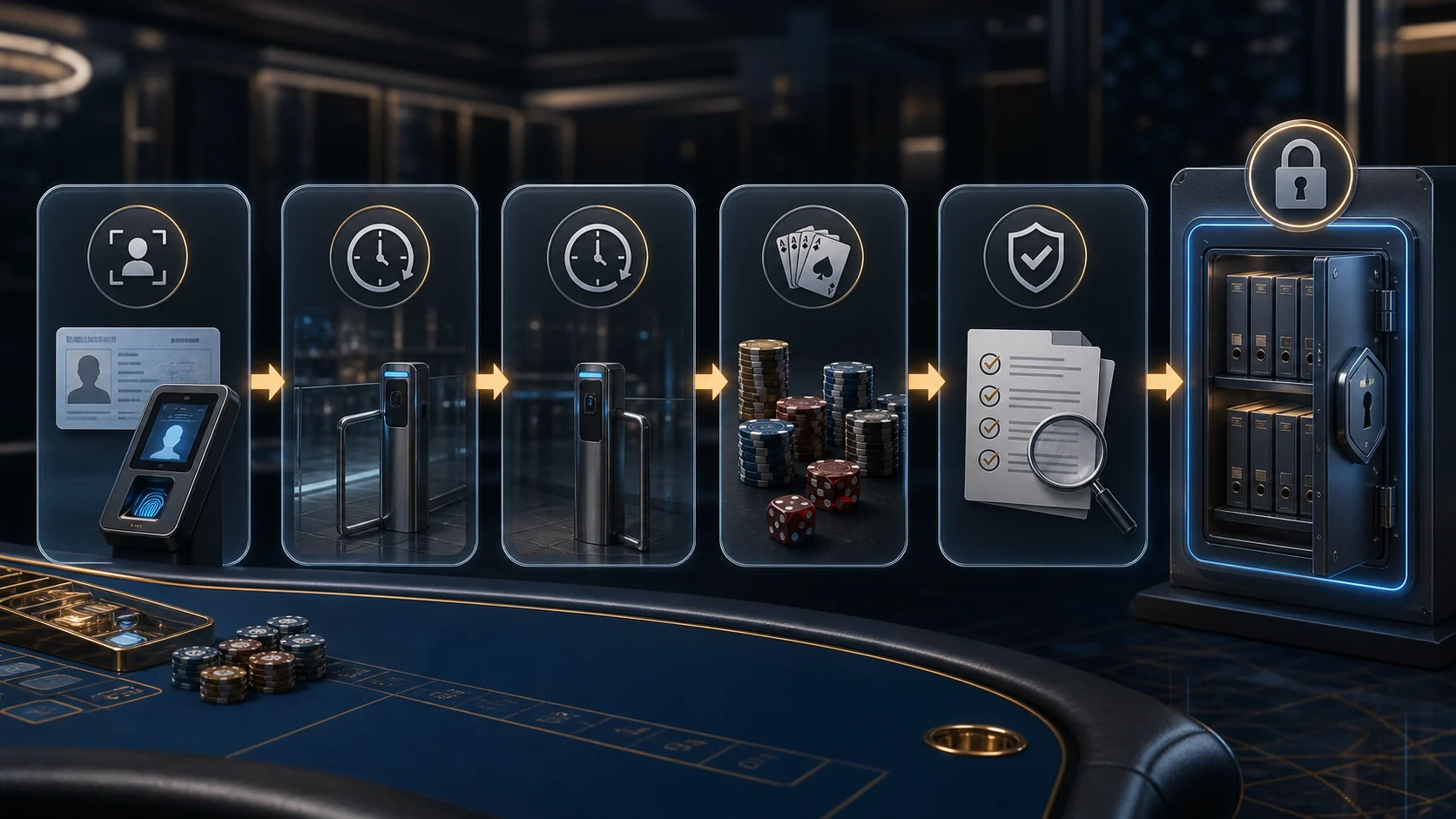
The recommended draft says the log would contain the name of each salon patron and wagering guest, together with the times each enters and leaves the gaming salon. It would also include information necessary to establish that government-issued identification for each salon patron and wagering guest was examined and remains on file in the licensee's records.
The same log would identify the games offered in each salon, record the financial-criteria verification and results for each salon patron, and include other information the Board chair may require. Records would continue to be maintained for at least two years. Financial admission criteria would apply to salon patrons, not their guests, but wagering guests would still be included in the identity and movement records.
From Patron Logs to Wagering Guest Logs
The distinction between a salon patron and a guest is important. A salon patron meets the approved financial criteria for admission. A guest accompanies that patron and may be allowed to wager under Regulation 5.200. The proposed language does not convert guests into financially qualified patrons; it expands the record created when a guest participates in wagering.
For operators, that means procedures must reliably identify when a guest changes from simply accompanying a patron to becoming a wagering guest. The log, surveillance record and cage or table activity may need to align on that status. A process that captures the information too late could create gaps, while one that records every non-wagering companion as a wagering guest could create unnecessary data and operational friction.
The Operational Burden for Casino Operators
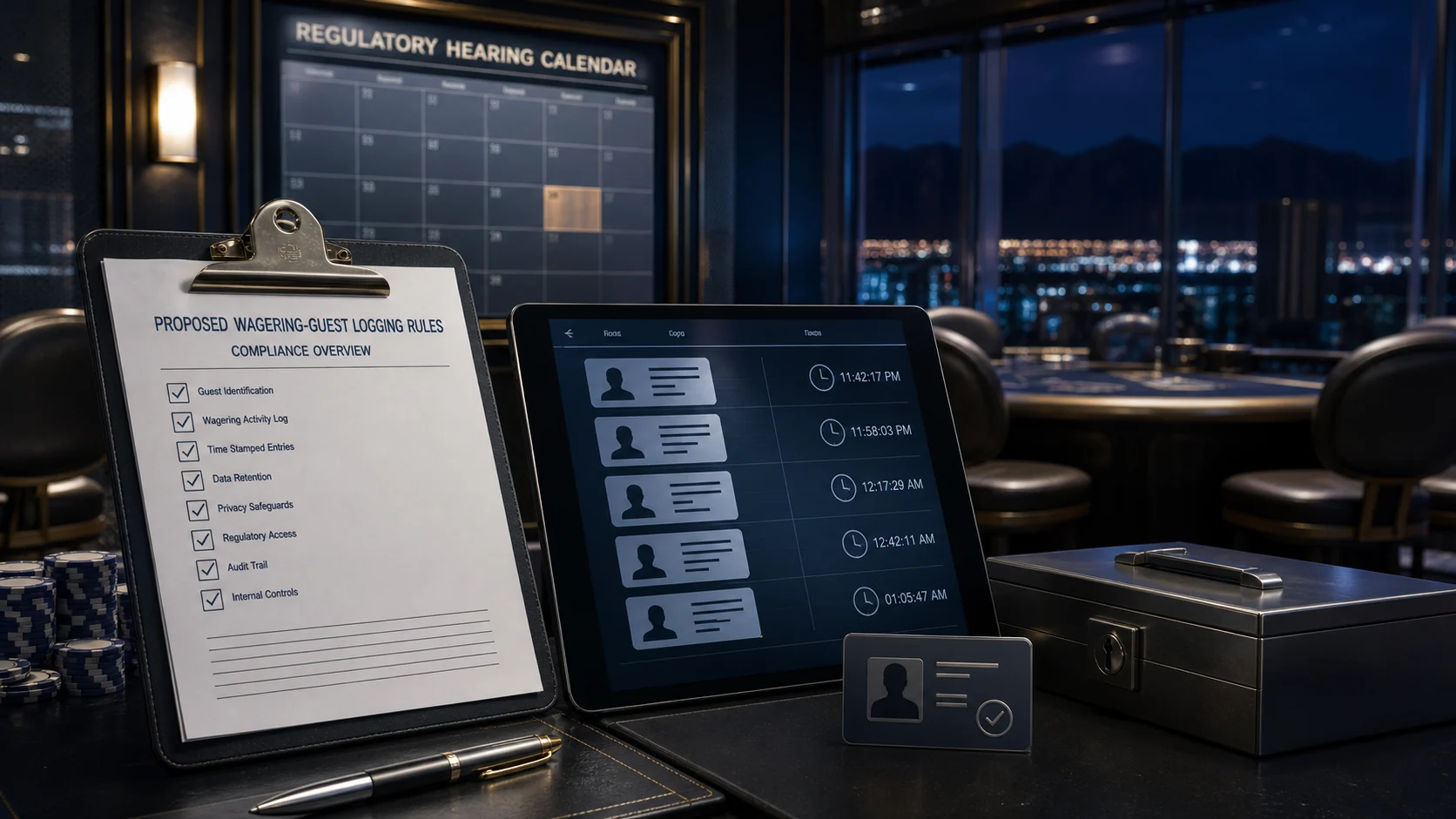
The compliance burden will depend on how operators currently manage private-salon access. Properties that already verify and timestamp every person may need mainly a system update. Others may have to revise standard operating procedures, train hosts and floor staff, alter digital log fields, and test how records flow between security, surveillance, casino operations and compliance teams.
Identity records require additional care because the draft calls for information showing that government-issued identification was examined and is on file. Operators will need controls governing who can view the data, how corrections are documented and how the two-year retention period is enforced. The draft does not remove wider privacy and cybersecurity obligations merely because the data is collected for gaming compliance.
Why the Games Offered Would Be Logged
Recording the games offered in each salon gives regulators context for the activity taking place during a guest's visit. A salon may offer table games, slot machines or other approved gambling games. Connecting the operating period, participants and game mix can make a compliance review more complete than a simple list of names and entry times.
The recommended draft also addresses minimum wagers and operational supervision, although Notice 2026-49 frames the hearing around logging requirements. Table-game minimums remain at the licensee's discretion, while slot-machine minimums require a written request and Board approval under the proposed language. Those provisions show that the log sits within a broader framework governing how a salon is opened and operated.
Hearing and Comment Timeline
Interested licensees and other parties can submit written statements, arguments or contentions before the September 14 deadline. The Commission will hear the item on September 17 and may continue it to a later meeting if more work is required. The formal process allows operators, compliance professionals and other interested persons to challenge definitions, propose implementation changes or support the recommended language.
Comments are most useful when they identify a specific operational conflict or drafting ambiguity. Questions may include when a guest must be entered into the log, how identity-file status should be represented, whether system outages require a backup procedure and how corrections should be preserved. The Commission can adopt the recommended draft, modify it during the process or decline to proceed.
What Casinos Should Review Now
Operators do not need to wait for adoption to map their current workflow. A useful review would trace a guest from salon entry through identity verification, wagering authorization, game participation and departure. That map can show which department owns each data field, whether timestamps are generated consistently and where manual handoffs could fail.
Properties should also compare digital and paper contingency procedures, retention settings, access permissions and audit trails. Training materials may need to distinguish non-wagering companions from wagering guests. Technical teams can identify whether existing systems have fields for guest status, games offered and verification results. This preparation does not assume the proposal will be adopted unchanged; it helps operators provide better comments and estimate implementation effort.
The proposed effective date in the recommended draft is upon adoption, which increases the value of early planning even though the Commission may revise the final language.
A documented gap analysis could also help each property estimate staffing, software and training costs before the hearing. Operators would then be able to support their comments with concrete implementation evidence instead of relying only on general concerns.
Bottom Line
Nevada has moved its Regulation 5.200 logging proposal into a formal public-hearing stage. Notice 2026-49 sets a September 17 hearing and a September 14 written-comment deadline. The recommended draft would add wagering guests to gaming-salon name and entry-exit logs, require evidence of government-ID review, identify games offered and preserve patron financial-verification information.
The change is narrow but operationally meaningful. It would connect premium gaming access, guest identity and wagering activity in a more detailed two-year record. Casino operators now have a defined window to test the proposal against existing systems and internal controls. The final compliance burden will depend on the language the Commission adopts after hearing industry and public comments.