
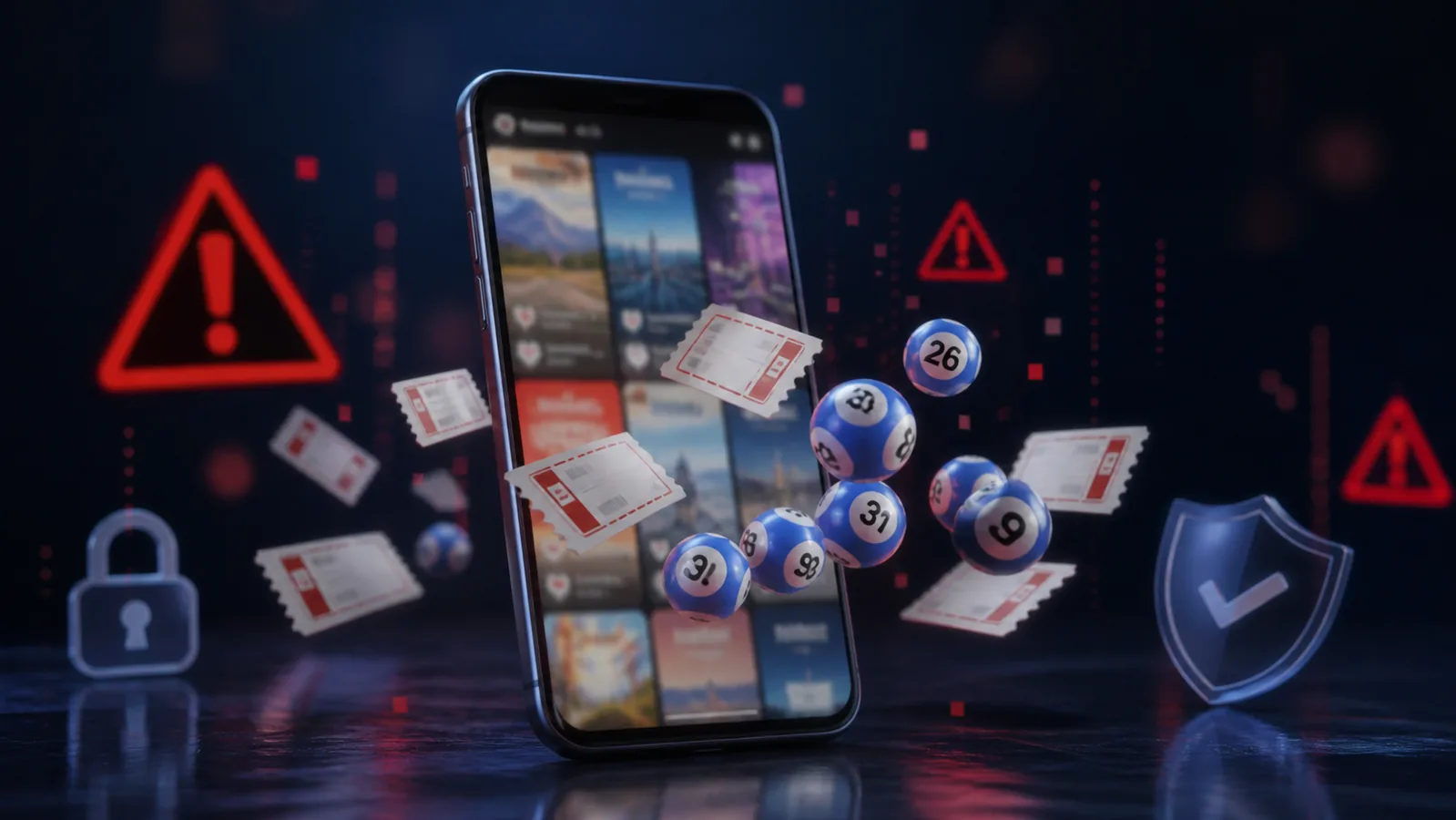
Illegal online lotteries and raffles run by individuals are reaching UK consumers through TikTok and other social-media channels, according to new research published by the UK Gambling Commission. The work examined how paid-entry, chance-based draws are promoted and how users understand the risks and legal status of the offers.
The research found that exposure can be common even when participation is comparatively limited. Consumers often encounter promotions passively while scrolling, watching livestreams or viewing content recommended by a platform. Visible winners, countdowns and live draws can then create urgency and reinforce trust without any check that the organizer holds the required permission.
The Research Used Three Complementary Methods
The Commission’s project combined digital intelligence, a survey and qualitative interviews. The mapping phase examined a network of websites, forums, social platforms and livestream environments used to distribute or discuss draws.
A survey of more than 4,000 adults in the United Kingdom measured awareness, exposure and participation. Researchers also conducted in-depth interviews with nine players and one draw organizer, adding context about motivation, trust and the practical path from a social post to payment and entry.
Using several methods is important because illegal activity is difficult to measure through a single data source. Platform content can disappear, users may not know an offer is illegal, and payment or entry may take place outside the app where the promotion first appeared.
What Counts as an Individual-Led Online Lottery
The research focused on paid-entry lotteries or raffles run by individuals, influencers or small businesses where the outcome is determined entirely by chance. That definition separates the activity from a genuine free draw or a prize competition that satisfies the legal requirements for operating without a lottery licence.
In Great Britain, the label used by an organizer is not decisive. Calling a product a raffle, giveaway or competition does not automatically determine its legal status. The structure of payment, entry and winner selection is what matters.
Where participants pay to enter and prizes are allocated wholly by chance, the arrangement can fall within lottery law. Commercial lotteries cannot simply be run for private profit without the appropriate legal basis. Consumers may not see those distinctions when a draw is presented as ordinary entertainment content.
Passive Exposure Is a Central Risk
Traditional gambling marketing is often understood as a deliberate advertisement. Social media changes that relationship. A user can encounter a draw through an algorithmic recommendation, a repost, a creator’s livestream or a friend’s comment without searching for gambling content.
That passive exposure lowers the psychological boundary between entertainment and a financial transaction. The promotion appears inside the same feed as comedy, shopping and personal updates. Moving from a video to an entry link can feel like a continuation of normal platform use rather than a decision to participate in gambling.
Recommendation systems can also repeat similar material after a user watches or engages with one post. Even if initial participation is low, repeated exposure may normalize the product and make the organizer seem familiar.
Why Winner Posts and Live Draws Build Trust
The Commission’s findings indicate that users often judge legitimacy through social proof. Posts showing winners, livestreamed draws, comments from other users and endorsements by familiar hosts can appear more persuasive than formal licensing information.
A visible winner demonstrates that someone received a prize, but it does not prove that the draw was lawful, fair or conducted according to advertised terms. A livestream can show a selection process while leaving payment handling, entry records and organizer identity outside the frame.
Countdowns and limited-entry messages add urgency. A consumer who believes that a draw is about to close may spend less time checking the terms. This design is common in online commerce, but it creates particular risk when the product is chance-based and the promoter may be unlicensed.
Low Awareness Limits Reporting
Many users view these draws as casual, low-risk entertainment. That perception helps explain why awareness of illegality can be low and why suspicious activity is not always reported to the regulator.
A consumer may assume that a large following or a platform account provides oversight. In reality, social-media popularity is not a gambling licence. Platforms can enforce their own policies, but those policies are separate from the legal requirements applied by the UK authorities.
Low reporting creates an enforcement challenge. Regulators rely on intelligence from the public, platforms, payment providers and other agencies. If users do not recognize a problem, unlawful offers may remain active longer or reappear through new accounts.
The Journey Often Moves Off Platform
A social post may be only the first stage. Users can be directed to an external website, private message, payment link or livestream channel to complete entry. Each step can reduce visibility for both the platform and the consumer.
Off-platform payments may lack the safeguards associated with a licensed gambling operator. Terms can be incomplete, refunds uncertain and personal data handled by an unknown individual or small business. If a dispute arises, the consumer may have no effective complaints route.
The fragmented journey also complicates enforcement. One service may host the promotional video, another the payment, and a third the draw. Cooperation between platforms and payment providers can therefore be important in disrupting the full operation.
Implications for Social-Media Platforms
The findings put pressure on platforms to identify gambling-like offers that do not fit straightforward advertising categories. Automated moderation may recognize well-known casino brands but struggle with a creator describing a draw informally during a livestream.
Platforms can strengthen controls by examining payment links, repeated raffle language, winner announcements and accounts that regularly promote chance-based paid entry. Human review remains important because legitimate charity lotteries, prize competitions and illegal commercial lotteries can use similar visual language.
Clear reporting tools would also help. Users should be able to flag a suspected illegal lottery without needing specialist legal knowledge. Reports can then be shared with the relevant regulatory or law-enforcement body where appropriate.
What Consumers Can Check
Consumers should begin by asking whether payment is required and whether the winner is selected entirely by chance. They should identify the organizer, read the full terms and look for a legitimate legal basis rather than relying on follower counts or comments.
Claims of a free entry route or a skill question should be examined carefully. A genuine free draw or prize competition must satisfy legal conditions; a nominal route that is difficult to use may not resolve the underlying issue.
Payment requests through personal transfers, direct messages or rapidly changing links are additional warning signs. A consumer who cannot identify the business, understand the draw rules or find a credible complaints process should avoid entering.
Enforcement and Consumer Protection
The UKGC monitors the boundary between lawful free draws and prize competitions and illegal lotteries. It can use intelligence to support disruption and enforcement, but the scale and speed of social media require cooperation beyond the regulator alone.
Payment providers can restrict services where activity breaches legal or contractual rules. Platforms can remove content and accounts. Consumers and legitimate businesses can report suspected unlawful offers. Coordinated action is more likely to interrupt both promotion and payment than focusing on a single post.
The research gives the Commission a stronger evidence base for future policy and enforcement. It shows not only where offers appear, but why users trust them and how the social-media environment changes the perception of risk.
Bottom Line
The Commission’s study shows that illegal individual-led lotteries can reach consumers as ordinary social content, particularly through short-video feeds, recommendations and livestreams. Participation may be limited relative to exposure, but low awareness and informal trust signals create a meaningful consumer-protection concern.
Winner posts, familiar hosts and countdowns are not evidence of a lawful draw. The practical response requires clearer consumer education, better platform detection and coordinated disruption of promotional and payment channels. The findings add a new digital dimension to the UK’s wider fight against illegal gambling.