Gaming Corps Q2 Revenue More Than Doubles to SEK 21.1 Million
Gaming Corps reports Q2 net revenue of SEK 21.1 million, up 106% year over year, but remains loss-making as distribution and releases accelerate.
Continue Reading
Track gambling quarterly results, casino operator earnings, revenue, EBITDA, guidance and segment performance across land-based and digital gaming.
Earnings hub
CasinoWire's quarterly results hub follows casino operators, digital gambling businesses, gaming suppliers and property companies as they report revenue, earnings, guidance and operating trends. The purpose is not to reproduce an investor release. It is to show which segment moved, why management says it changed and whether the comparison is genuinely like for like.
Results coverage changes quickly during earnings season. Featured and latest stories update automatically, while the analytical framework below remains stable: revenue is not profit, adjusted metrics need definitions, and one quarter can be distorted by hold, calendar timing, acquisitions, tax or unusual costs.
Featured story

Gaming Corps reports Q2 net revenue of SEK 21.1 million, up 106% year over year, but remains loss-making as distribution and releases accelerate.
Read moreOperator performance
A diversified gambling group may combine Las Vegas resorts, regional casinos, online casino, sports betting and non-gaming hospitality. Consolidated revenue can rise while an important segment weakens, or a smaller digital division can grow quickly without yet producing comparable earnings. Segment disclosures therefore matter as much as the group total.
The most useful comparisons separate organic growth from acquisitions and currency effects, then compare the same period a year earlier. Casino hold can move reported win even when visitation or wagering volume is stable. In digital businesses, promotional spending, taxes and market mix can create a gap between net gaming revenue and EBITDA.

MGM Resorts posted record Q2 2026 revenue of $4.5 billion as Las Vegas Strip casino revenue rose 17%, while MGM Digital remained loss-making.
Read more
Caesars Digital revenue rose 2.3% to $351 million in Q2 2026, but adjusted EBITDA fell to $68 million as group revenue reached $2.993 billion.
Read more
DraftKings iGaming revenue rose 7.5% to $461.9 million in Q2 2026, while customer-friendly sports results pushed total revenue down nearly 5%.
Read moreSuppliers and assets
Gaming suppliers are often evaluated through installed units, recurring revenue, hardware sales, content royalties and development costs. A strong sales quarter may not be repeatable, while recurring revenue can provide a more durable indicator. Margin movement helps show whether growth is translating into operating leverage.
Property owners and casino landlords use another vocabulary. AFFO, rent coverage and lease terms are not interchangeable with casino operator EBITDA. CasinoWire keeps those models separate so a real-estate outlook is not compared directly with a gaming supplier or an operator without explaining the difference.

Galaxy Gaming reported $7.94 million in Q2 revenue as digital revenue rose 10.7%, recurring license revenue reached a record and free cash flow grew...
Read more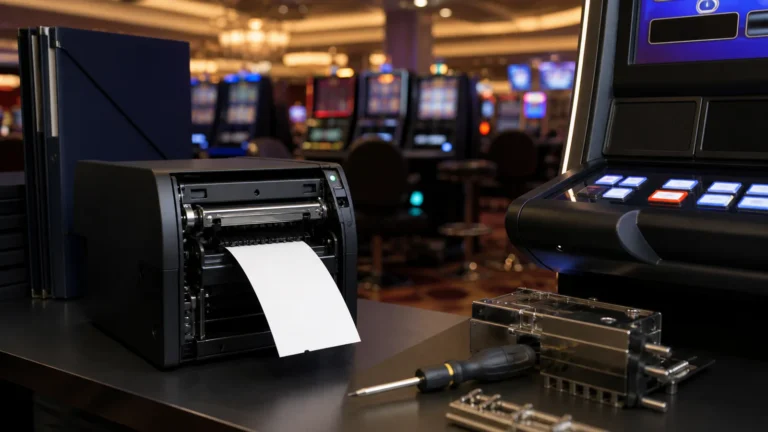
TransAct reported $7.3 million in Q2 casino and gaming sales and hired BofA Securities to review strategic alternatives for the division in the United...
Read more
VICI Properties lifted the low end of its 2026 AFFO forecast to $2.675 billion, backed by long-term leases across a 63-property gaming portfolio.
Read moreDynamic updates
New tagged reporting appears here automatically while the editorial background remains stable.

Bally's reports $792.2 million in Q2 revenue as North America Interactive grows 16.9%, while higher UK gaming tax pressures international margins.
Read more
Entain's first-half online NGR rose 7%, led by 13% growth in the UK and Ireland and Australia, while higher UK gambling tax pressured EBITDA.
Read more
DoubleDown reports Q2 2026 results after the US market close on August 11, with investors watching social casino, DTC revenue and SuprNation iGaming.
Read more
Melco's Q2 revenue fell 6% and adjusted property EBITDA dropped 20% as Macau softened, while Cyprus casino EBITDA increased 60%.
Read more
SEGA SAMMY gaming sales reached ¥8 billion after consolidating GAN and Stakelogic, but the segment posted a ¥2.1 billion first-quarter operating loss.
Read moreExplainer
Start with the reporting period, comparison basis and currency. Then identify revenue by segment, reported operating profit or loss, and the company's chosen adjusted measure. Adjusted EBITDA can be useful for trend analysis, but exclusions vary by company. EBITDAR adds rent back and is common in casino-property analysis; it should not be treated as net income or cash available to shareholders.
Next, read guidance and the assumptions behind it. A company can beat the quarter but lower full-year expectations, or miss a headline estimate while maintaining its outlook. Tax changes, regulatory settlements, launch costs and acquisition integration may affect future periods more than the quarter just reported.
Finally, check the balance sheet and cash-flow context. Debt maturities, interest expense, capital expenditure, share repurchases and development commitments can change the significance of an earnings number. CasinoWire reports those elements when they materially affect the story.
What to watch
Whether growth comes from land-based casinos, iGaming, sportsbooks, suppliers or acquired businesses.
Recurring versus transactional revenue, margins, one-off adjustments and cash conversion.
Changes to revenue, EBITDA, capex or leverage expectations and the assumptions behind them.
Gaming taxes, regulation, hold, currency movements, interest costs and consumer demand.
Reader questions
Adjusted EBITDA is a company-defined measure based on earnings before interest, tax, depreciation and amortisation, with additional exclusions. It can help compare operating trends, but definitions differ, so readers should review the reconciliation rather than treating every company's figure as identical.
Higher tax, labour, marketing, technology, interest or development costs can offset revenue growth. Mix also matters: some online or partnership revenue may carry different margins from land-based gaming.
Hold is the share of wagering or drop retained as gaming win over a period. Short-term hold can vary because of player outcomes, especially in higher-volatility table or sports-betting activity, and can distort a single-quarter comparison.
No. Quarterly-results coverage explains reported figures and business context for editorial purposes. It is not a recommendation to buy, sell or hold any security.

Gaming Corps reports Q2 net revenue of SEK 21.1 million, up 106% year over year, but remains loss-making as distribution and releases accelerate.
Continue Reading
Bally’s reports $792.2 million in Q2 revenue as North America Interactive grows 16.9%, while higher UK gaming tax pressures international margins.
Continue Reading
Entain’s first-half online NGR rose 7%, led by 13% growth in the UK and Ireland and Australia, while higher UK gambling tax pressured EBITDA.
Continue Reading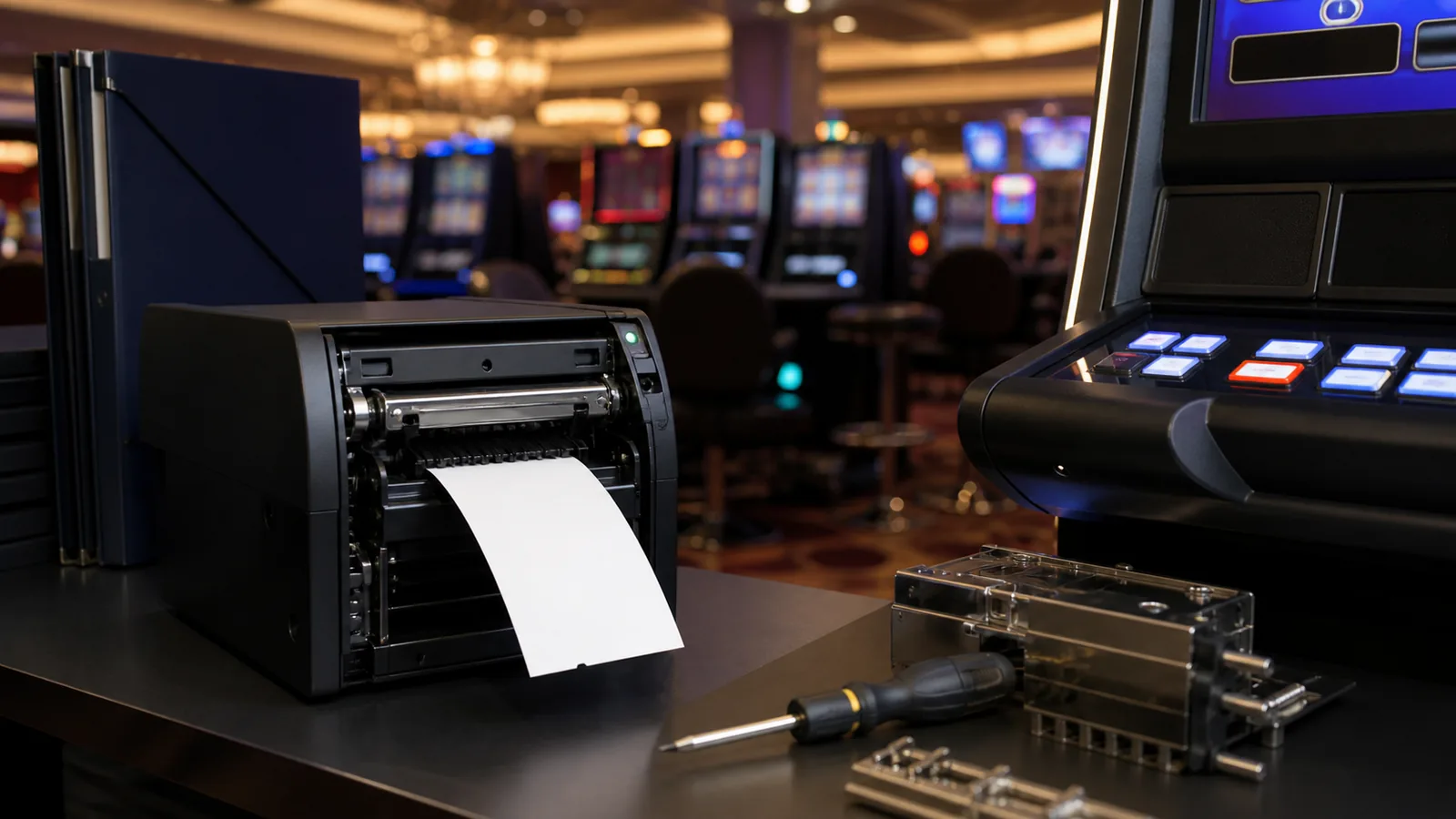
TransAct reported $7.3 million in Q2 casino and gaming sales and hired BofA Securities to review strategic alternatives for the division in the United States.
Continue Reading
Galaxy Gaming reported $7.94 million in Q2 revenue as digital revenue rose 10.7%, recurring license revenue reached a record and free cash flow grew 25%.
Continue Reading
DoubleDown reports Q2 2026 results after the US market close on August 11, with investors watching social casino, DTC revenue and SuprNation iGaming.
Continue Reading
Melco’s Q2 revenue fell 6% and adjusted property EBITDA dropped 20% as Macau softened, while Cyprus casino EBITDA increased 60%.
Continue Reading
SEGA SAMMY gaming sales reached ¥8 billion after consolidating GAN and Stakelogic, but the segment posted a ¥2.1 billion first-quarter operating loss.
Continue Reading
Century Casinos posted record Q2 revenue of $152 million and adjusted EBITDAR of $31.7 million, led by a 93% increase in the US West segment.
Continue Reading
Century Casinos posted record Q2 revenue of $152 million and adjusted EBITDAR of $31.7 million, led by a 93% increase in the US West segment.
Continue Reading