
Two people have been arrested in an investigation into a suspected illegal casino in central Bristol after police and gambling-enforcement officials searched a property in Lower College Street. The UK Gambling Commission said a 36-year-old man and a 40-year-old woman were arrested on suspicion of gambling offences and later released on bail.
The search took place on Friday, July 10, and involved the Harbourside Policing Team, Gambling Commission enforcement officials and the South West Regional Organised Crime Unit. The regulator announced the operation publicly on July 29. The investigation remains active, and the arrests do not establish that either person committed an offence.
What Authorities Have Confirmed
The Commission's statement is deliberately limited. It confirms the location, participating bodies, ages of the two people arrested, the general suspicion of gambling offences and their release on bail. It does not identify the individuals, describe the gambling products allegedly offered or state what officers recovered during the search.
That restraint matters in a continuing criminal investigation. Public reporting should not turn an allegation into a finding of guilt or assume facts that authorities have not released. Bail means the individuals are no longer being held while inquiries continue; it should not be interpreted as either exoneration or proof that a prosecution will follow.
Why Three Agencies Took Part
The mix of agencies reflects the different skills required in suspected illegal gambling cases. Local police can act on community intelligence, secure a property and use criminal-investigation powers. Gambling Commission specialists bring knowledge of licensing, gaming equipment, operator structures and the evidence needed to distinguish permitted activity from unlawful commercial gambling.
SWROCU provides regional organized-crime capability across South West England. Its presence does not by itself prove an organized-crime charge; authorities have not announced one. It does show that the operation was significant enough to draw on specialist resources beyond a routine local licensing inspection. Joint working can also help investigators follow financial, digital or cross-border evidence if such material emerges.
Licensing Separates Casinos From Illegal Venues
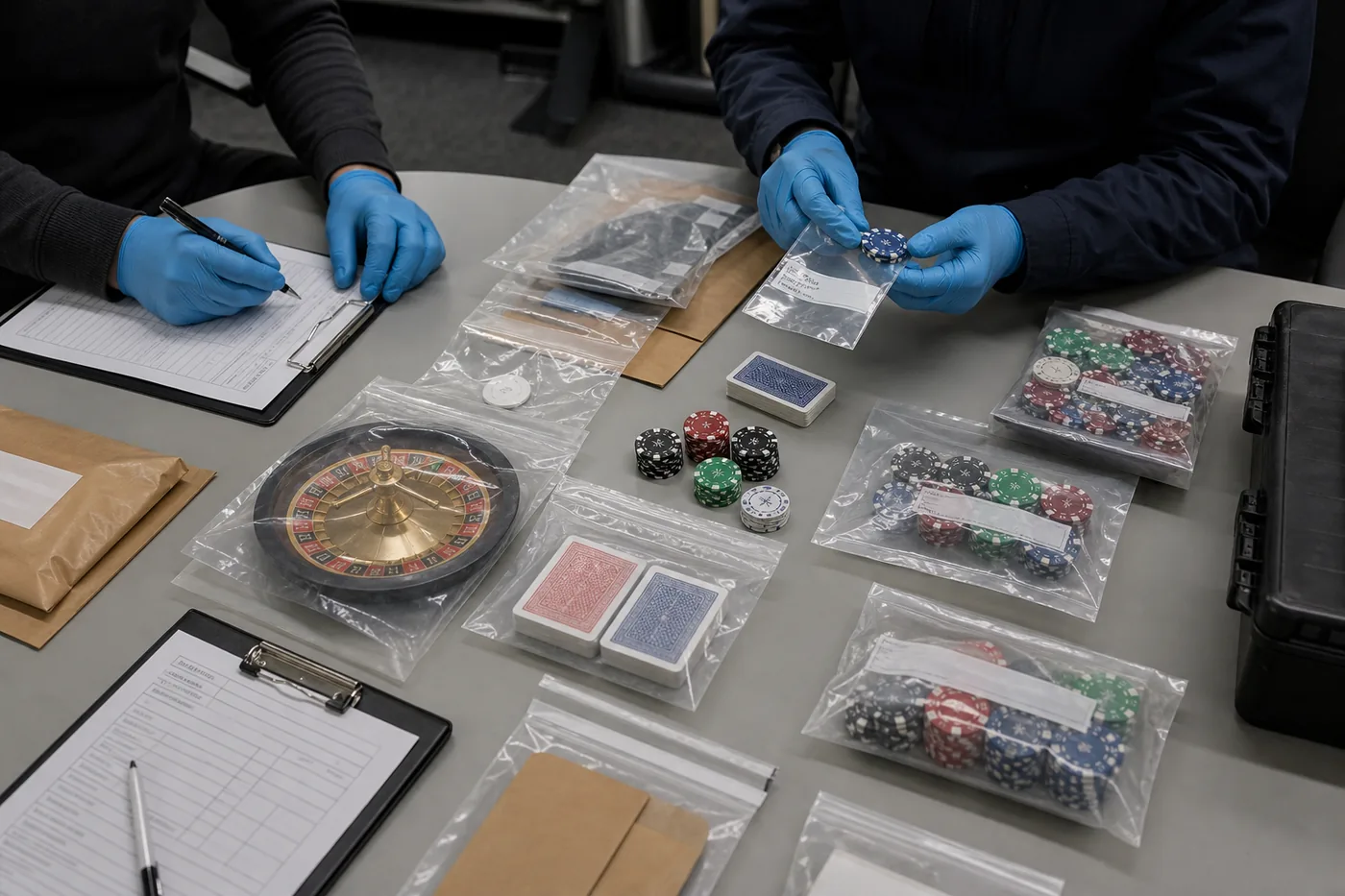
Commercial casino gambling in Great Britain operates within a licensing framework. Businesses may need operating permission from the Gambling Commission, while premises and local-authority requirements also apply depending on the activity. Licensed operators must meet standards covering integrity, crime prevention, fair and open gambling, customer protection and controls designed to keep children away from gambling.
A suspected unlicensed venue sits outside that structure. Investigators must establish what activity occurred, who organized or profited from it, whether the public was invited and which statutory provisions may apply. A room containing cards or chips is not automatically an illegal casino; the legal analysis depends on the nature, frequency and commercial organization of the gambling.
Land-Based Illegal Gambling Creates Distinct Risks
Public discussion of illegal gambling often focuses on offshore websites, but physical venues present a different enforcement challenge. They may be known only through local intelligence and may operate irregular hours, move equipment or restrict entry. Evidence must be gathered at the premises, making coordination and the timing of a search particularly important.
Unlicensed physical gambling can also bypass safeguards expected in the regulated market. Authorities may need to examine age controls, game fairness, handling of cash, customer disputes, anti-money-laundering measures and the source or modification of machines. The Commission has not said which of those issues, if any, are present in the Bristol case, so they remain general regulatory concerns rather than allegations about this property.
What Release on Bail Means
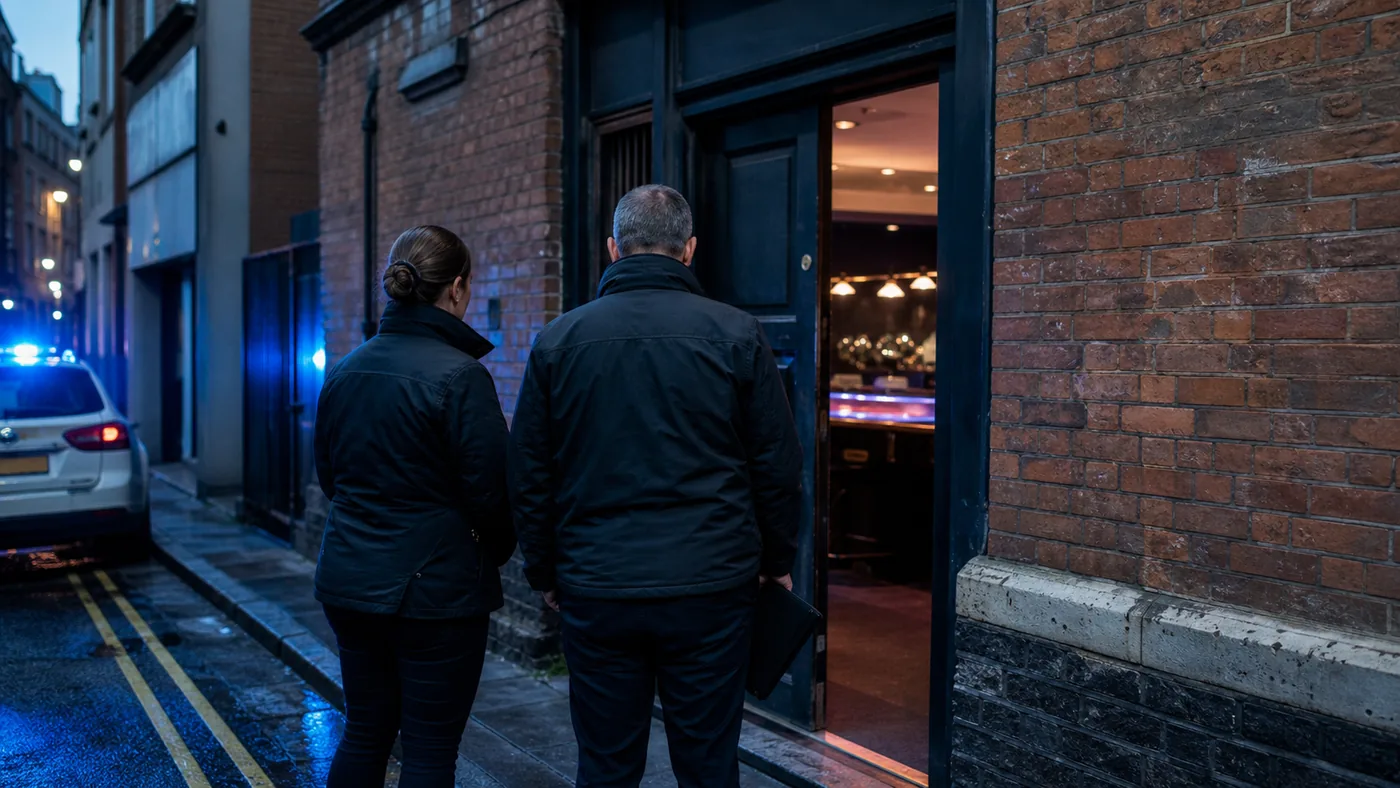
The man and woman were released on bail while the investigation continues. In practical terms, investigators may still be reviewing seized material, interviewing witnesses, examining devices or financial records, and consulting specialists. The public statement provides no timetable for a charging decision and does not say whether additional suspects are being sought.
Future outcomes could include no further action, continued investigation, charges or another enforcement route, depending on the evidence. Only authorities and, if charges are brought, the courts can determine the next step. Responsible coverage should therefore retain words such as suspected and alleged until a legal decision establishes more. The presumption of innocence applies throughout that legal process, irrespective of the public interest generated by the raid itself.
A Wider UK Enforcement Pattern
The Bristol operation follows other joint actions against suspected unlicensed gambling premises in British cities. Such cases show that the Commission's illegal-market work is not confined to online domain blocking, payment disruption or action against licensed suppliers. Physical venues remain part of the enforcement landscape and require cooperation with territorial police forces.
For licensed casino operators, visible enforcement supports the value of holding a licence. Regulated businesses carry compliance costs that illegal competitors may try to avoid. Targeting unlicensed premises can protect consumers and preserve a more level commercial environment, although each operation must still be judged on evidence and conducted with appropriate legal safeguards.
What Operators and Property Owners Can Learn
Operators should make sure that every gambling activity, machine and venue sits within the permissions actually held. A licence in one part of a business does not automatically cover another site, product or commercial arrangement. Changes to premises, equipment or third-party partnerships should receive legal and compliance review before customers are allowed to gamble.
Landlords and property managers also benefit from understanding the intended use of commercial space. Lease terms, due diligence and site inspections can help identify activity that creates licensing or reputational risk. Property owners are not automatically responsible for every tenant action, but ignoring obvious warning signs may expose them to avoidable disruption when enforcement agencies intervene.
Why the Public Announcement Came Later
The search occurred on July 10, while the Gambling Commission published its short announcement on July 29. A delay between an operation and public disclosure can allow initial investigative steps to proceed without unnecessary publicity. Authorities may also coordinate what can be released without compromising evidence, witnesses or the rights of the people involved.
The timing should not be treated as evidence of a development beyond what the statement says. The Commission did not announce charges or a new arrest on July 29; it reported the earlier action and confirmed that both individuals had been bailed. Any material update should come from the Commission, Avon and Somerset Police or a relevant court record.
Bottom Line
The Bristol case is a significant example of operational cooperation against suspected illegal land-based gambling. A local police team, the national gambling regulator and a regional organized-crime unit jointly searched a Lower College Street property and arrested two people on suspicion of gambling offences.
The investigation is unfinished, the two individuals are on bail and no guilt has been established. Its wider importance lies in the enforcement model: intelligence and police powers combined with specialist gambling expertise to examine a suspected physical casino operating outside the licensed market. The next confirmed step, if any, will determine whether the inquiry results in charges or another outcome.
Primary source: UK Gambling Commission – Illegal casino arrests, published 2026-07-29.
Tags: Bristol; UK Gambling Commission; Illegal Gambling; Casino Enforcement; Gambling Act 2005; Avon and Somerset Police; SWROCU; United Kingdom Gambling; Land-Based Casino