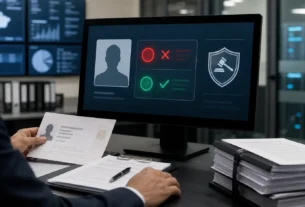
Holland Park Leisure Limited must pay a £150,000 regulatory settlement after the UK Gambling Commission found that the adult gaming centre operator failed to comply with a mandatory self-exclusion requirement. The company, which operates three venues in Leicester, must also commission an independent third-party audit of its policies, controls, implementation and staff training.
The Commission announced the outcome on August 18. It said consumer-facing land-based operators must participate in the appropriate multi-operator self-exclusion scheme and have working procedures that prevent excluded customers from gambling. The requirement is a licence condition, not an optional responsible-gambling initiative.
What the Regulator Found
According to the Commission, Holland Park Leisure did not join the required multi-operator scheme even after being informed of the obligation. The operator joined only after the regulator suspended its licence in October 2025. The later compliance step did not erase the earlier failure or the risk created while the control was absent.
The published outcome focuses on the operator's systems and licence duties. It should not be expanded with unverified claims about individual customers or losses. The significant facts are the missing scheme participation, the earlier suspension, the £150,000 payment and the independent audit that will test whether corrective measures now work in practice.
How Multi-Operator Self-Exclusion Works
Self-exclusion allows a person to ask gambling businesses to prevent further access for a defined period. In land-based sectors, a multi-operator scheme is intended to extend protection beyond one venue so that a customer does not have to repeat the process separately at every participating business in the same category.
Membership alone is not sufficient. Venues need accurate procedures for recording an exclusion, sharing permitted information through the scheme, recognizing an excluded person and responding when that person attempts to enter or gamble. Staff must understand what to do and management must test whether the process is consistently followed.
Why the Licence Suspension Mattered
Suspending a licence is a serious intervention because it stops or restricts regulated gambling activity while the Commission addresses an identified risk. In this case, the regulator says Holland Park Leisure joined the required scheme after the October 2025 suspension. That sequence shows the enforcement value of an immediate licensing measure when ordinary warnings do not produce compliance.
The current settlement is a later outcome. It combines a financial consequence with independent assurance work. That approach seeks both accountability for the past failure and evidence that the company's future controls are more than written policies stored in a manual.
The Independent Audit Is Central
A third-party audit can examine whether policies match the licence condition and whether the three Leicester venues apply them in day-to-day operations. Reviewers may test training records, customer interactions, incident logs, escalation procedures and management oversight. The exact scope should follow the Commission's requirements and the final regulatory agreement.
Independence matters because the operator is being asked to demonstrate effectiveness after a material failure. An audit can identify gaps that internal teams have missed and provide recommendations with documented evidence. It does not guarantee perfect future compliance, but it creates a clearer basis for follow-up supervision.
Lessons for Other Land-Based Operators
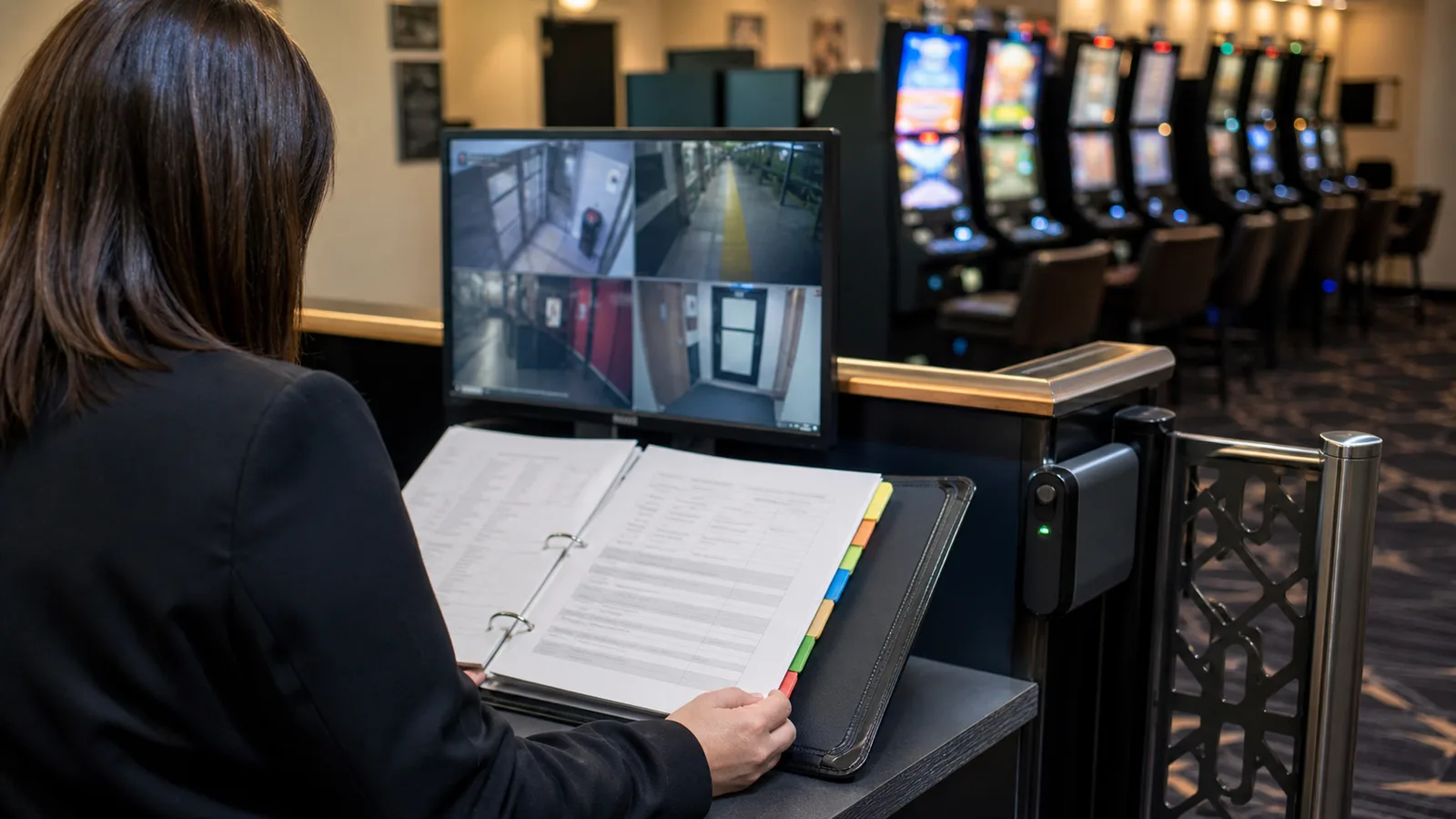
Every licensed business should map each responsible-gambling condition to a named control, responsible owner and testing schedule. Scheme membership needs renewal and operational checks. New employees should receive practical training before they are expected to identify excluded customers, and experienced staff should receive refreshers when procedures change.
Operators should also test difficult scenarios: an excluded person using a different entrance, a busy shift with temporary staff or uncertainty about a possible match. Clear escalation protects customers and employees. A rule that works only when the venue is quiet is not a reliable control.
Self-Exclusion Protects People at a Vulnerable Point
A person who chooses self-exclusion has taken a formal step to reduce access to gambling. Failing to honor that decision can expose the individual to renewed harm at a time when protective friction is specifically requested. That is why regulators treat implementation as fundamental rather than as a customer-service preference.
Effective exclusion also supports confidence in the licensed market. Customers, families and treatment providers need to know that a registration will be recognized across the relevant scheme. Weak participation by one operator can undermine the purpose of a coordinated system and create a gap that vulnerable people may encounter.
What the Audit Outcome Could Change
If the audit identifies further weaknesses, Holland Park Leisure may need to revise procedures, retrain employees or strengthen monitoring before the Commission is satisfied. The regulator can use the findings to decide whether additional supervision is necessary. Completion of the audit should not be described as approval unless the Commission publishes that conclusion.
The wider sector can learn from any public summary of the deficiencies and remedial steps. Specific examples of failed escalation, incomplete training or weak management checks would help other venues test their own controls. Transparency must still respect personal data and avoid exposing information about self-excluded individuals.
Senior managers remain responsible for acting on the audit rather than treating it as a one-time document. Corrective actions should have owners, deadlines and evidence of completion, with follow-up testing that shows whether each change survives ordinary venue pressure.
Bottom Line
The UK Gambling Commission has imposed a £150,000 outcome on Holland Park Leisure after the operator failed to participate in the required multi-operator self-exclusion scheme and joined only after its licence was suspended. The company must now complete an independent audit covering policies, controls, implementation and training.
The decision reinforces a simple compliance standard: self-exclusion must work at the venue door and on the gaming floor, not merely exist in written policy. Other adult gaming centre operators should verify scheme participation, staff readiness and evidence of testing before the regulator identifies the gap for them.
More CasinoWire coverage: Responsible Gambling.