
Published: July 5, 2026
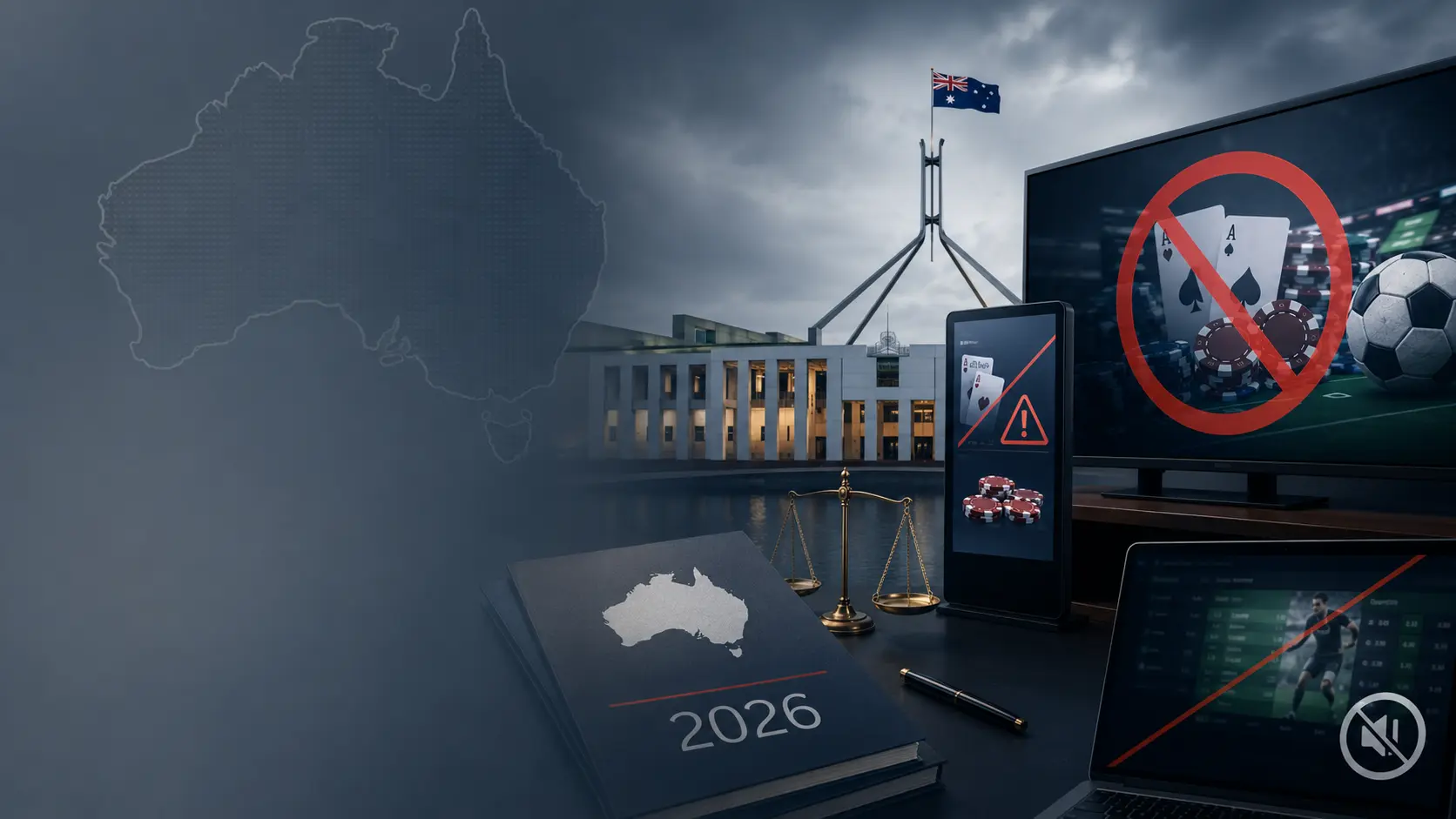
Australia is entering a new phase in the gambling debate, but this time the focus is not only on who is allowed to bet or play, but also on how often citizens should be exposed to gambling advertisements.
The federal government of Prime Minister Anthony Albanese has introduced a package of measures that would restrict gambling advertising on television, radio, the internet, sports broadcasts and social media. However, the reaction shows that almost no one is fully satisfied: supporters of stricter regulation believe the measures do not go far enough, while parts of the industry and media are concerned about the financial consequences.
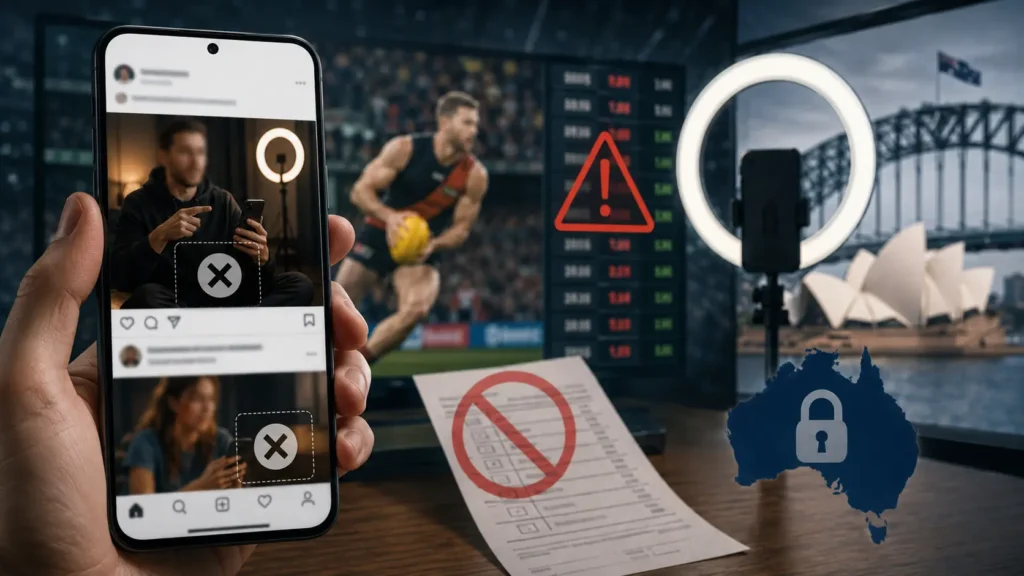
Under the proposal presented by Minister Anika Wells, TV gambling ads would be limited to a maximum of three per hour between 6:00 a.m. and 8:30 p.m., with a complete ban during sports broadcasts in that period. Online ads would only be allowed for users who are logged in, over 18 years old, and have the option to opt out of seeing such advertising. The plan also includes a ban on using athletes, celebrities and influencers to promote betting.
Why Is Australia Under Pressure?
The main reason for the pressure is that earlier recommendations were much stricter. The parliamentary report known as the Murphy report recommended a gradual but complete ban on online gambling ads and sponsorships over a three-year period. That plan included banning advertising on social media, removing ads during sports broadcasts, banning the discussion of betting odds around matches, and eventually eliminating online gambling sponsorships altogether.
That is why critics now argue that the government’s proposal is a compromise rather than real reform. The issue is not only the number of ads, but the normalization of betting as part of everyday sports and digital life. When a child watches a match and constantly sees odds, bonus offers and betting brands, gambling stops looking like a risky activity and starts to appear like a normal part of sport.
The Most Sensitive Issue: Children, Sport and Influencers
Much of the public debate focuses on protecting children and young people. Australian rules already recognize that gambling ads on TV, radio and online platforms must be subject to special restrictions, especially during children’s programming and sports broadcasts.
The influencer ban is especially important because gambling is no longer promoted only through traditional TV commercials. Promotions increasingly appear through social media, sports content, lifestyle posts and informal recommendations. This creates a problem for regulators: young users often do not perceive such content as advertising, but as “advice” from someone they trust.
That is why the debate is no longer only about how many ads should be allowed, but also about where those ads appear, who shares them and how clearly they are labeled.
NSW and Poker Machines: Another Part of the Same Story
While the federal government is trying to restrict advertising, New South Wales is facing another problem: poker machines, also known as “pokies.” According to Australian media reports, there is growing pressure to phase out a large number of poker machines over the next decade, while NSW has almost half of all poker machines in Australia.
This is an important part of the story because it shows that Australia does not view gambling harm only through the lens of online betting. Land-based gaming, clubs, pubs and poker machines remain major political and social issues.
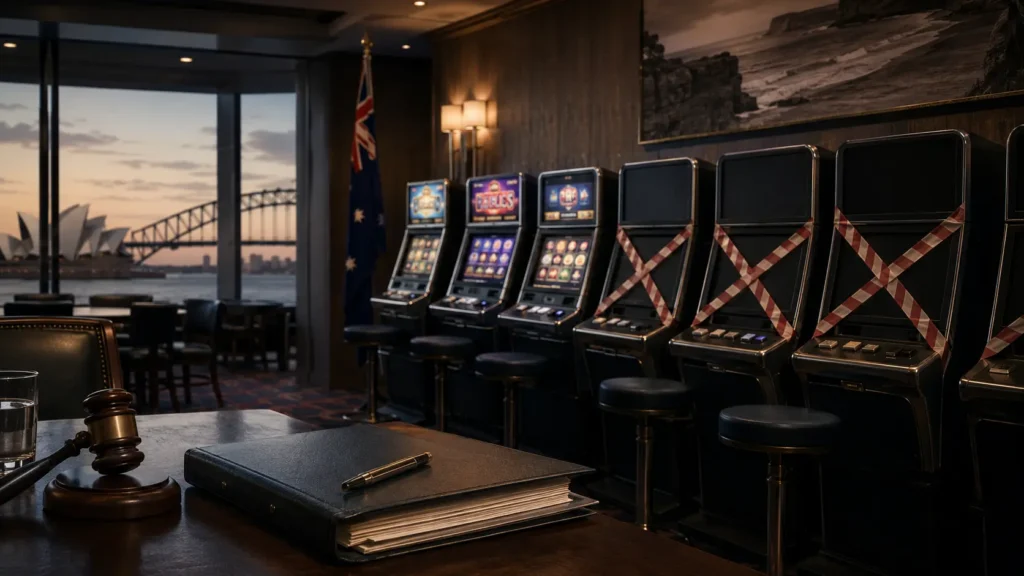
In NSW, measures being discussed include reducing the number of gaming machines, introducing a moratorium on new licences and increasing pressure on clubs that generate large revenues from poker machines. For reform advocates, this is a way to reduce gambling harm in local communities. For parts of the industry, it represents a serious blow to revenue and the business model of clubs and hospitality venues.
What Does This Mean for Players?
For players, these changes mean that gambling content is likely to appear less aggressively across everyday media. This does not mean that betting or casino content will disappear, but it does mean that access to promotions, bonuses and advertising will be more tightly controlled.
The difference between legal and illegal markets is especially important. The Australian government is also announcing stronger measures against illegal gambling operators, including blocking transactions through banks and payment systems, as well as faster blocking of problematic websites.
For the average player, this means that the question “Is this site legal?” will become even more important. If regulation becomes stricter, players may increasingly look for information about licences, user protection, deposit limits, self-exclusion tools and clear bonus rules.
What Does This Mean for Operators?
For operators, the biggest problem will be the loss of easy access to a mass audience. If advertising is restricted on TV, in sport, on online platforms and through influencers, brands will need to invest more in compliance, organic content, direct communication with adult users and more transparent responsible gambling messaging.
This could particularly affect companies that rely on aggressive bonuses, sports sponsorships and fast user acquisition through advertising. On the other hand, serious operators that already have strong responsible gambling tools could gain an advantage, because regulatory standards are moving in exactly that direction.
Australia already has national user protection measures, including deposit limits with online gambling providers, monthly activity statements and BetStop, the national self-exclusion register that allows users to exclude themselves from interactive gambling services and direct marketing.
Why Is This News Important Beyond Australia?
Australia could become an example for other markets. If the government introduces stricter rules for ads, influencers, sports sponsorships and online gambling promotions, similar pressure could appear in other countries where debates are already taking place around protecting minors and the normalization of betting.
This matters because the same question is increasingly being asked around the world: is it enough to warn users about the risks, or is it necessary to reduce their exposure to advertising itself?
The Australian case shows that regulation is no longer only about the games themselves, but also about how those games are presented to the public. This changes the relationship between the gambling industry, sport, the media and politics.
Conclusion
Australia’s gambling advertising reform in 2026 is not just a technical change in the number of TV spots per hour. It is a broader conflict between industry, sport, media, politics and public health.
The government is trying to find a middle ground: to restrict the most aggressive forms of advertising, but without introducing a complete ban. Critics, however, believe that the middle ground is no longer enough because gambling has already become deeply embedded in sport, social media and everyday media space.
For players, the most important issues will be safety and legality. For operators, the key challenge will be adapting to the new rules. For Australia, this is a test of how far the country is truly willing to go in reducing gambling harm.