
A new UK Gambling Commission licence condition requiring the rapid removal of non-compliant gaming machines takes effect on 29 July 2026. Under Licence Condition 18.1.1, a non-remote gambling operator must stop making a specified machine available for use after receiving written notice from the Commission that relevant work was unlicensed or failed to meet required technical standards.
The rule applies across non-remote casino, bingo, betting, adult gaming centre and family entertainment centre licences. It is designed to give the regulator a direct mechanism for taking an identified machine out of customer use without relying on a longer, separate compliance process.
For operators, the change is narrow but operationally important. It does not require every machine to be removed or introduce a new routine technical process for every venue. The duty is triggered when the Commission identifies a specified machine in writing. Once that notice arrives, however, continued customer access is no longer an option.
What Licence Condition 18.1.1 Says
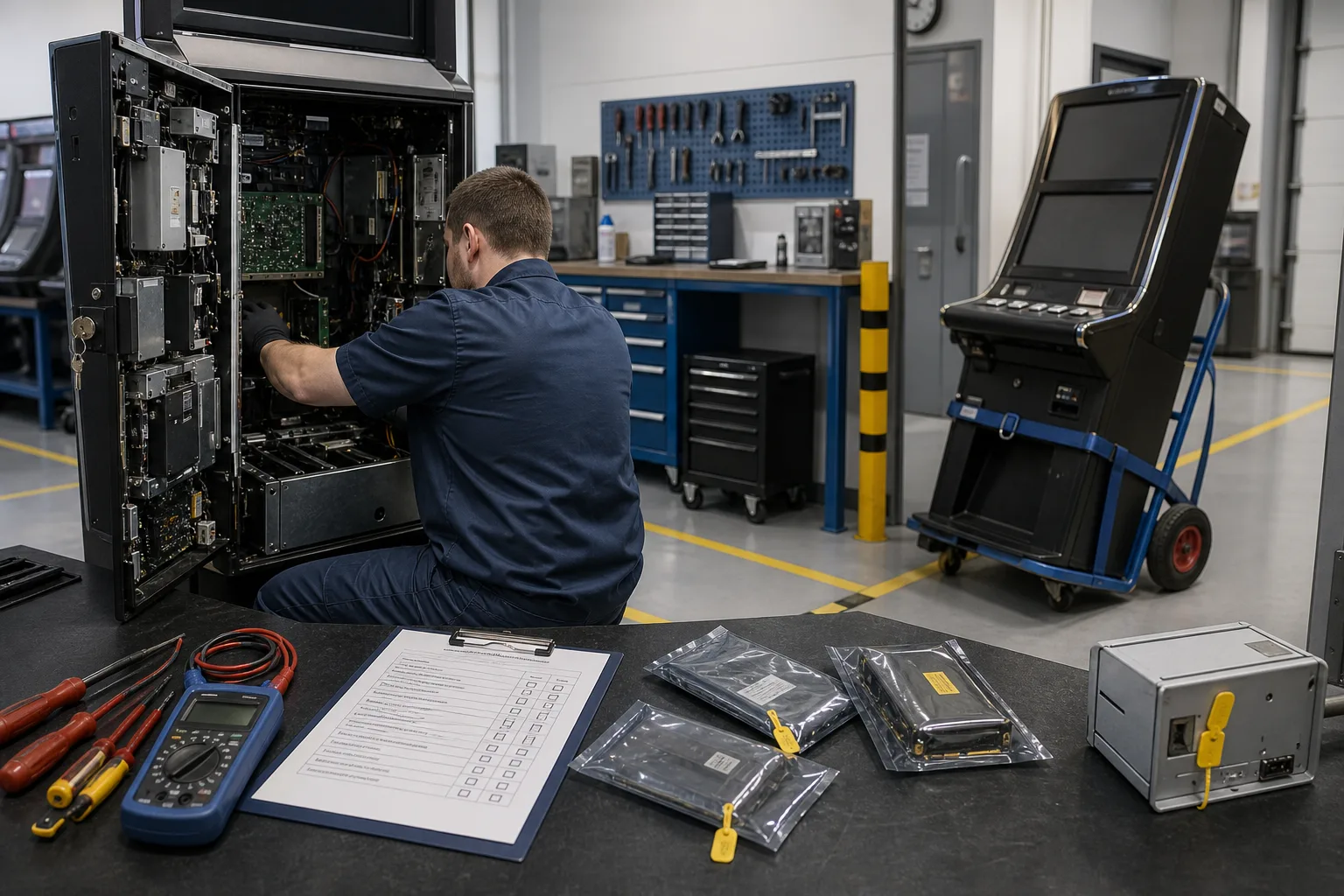
The final wording covers the manufacture, supply, installation, adaptation, maintenance or repair of a gaming machine. If the Commission notifies a licensee that one of those activities was not carried out in reliance on a gaming machine technical operating licence, the machine must not remain available for use under the premises licence.
The same restriction applies when the notified work did not comply with the Commission's gaming machine technical standards. Those standards are intended to support game fairness, equipment security, reliable operation and the correct implementation of required controls. A failure at any point in the machine's technical chain can therefore create a premises-level obligation.
The breadth of the wording is deliberate. A venue may not have manufactured or repaired the machine itself, but it is the premises operator that controls whether customers can continue to use it. The licence condition closes the practical gap between a problem found in the supply chain and the immediate protection available on the gaming floor.
Who Is Affected
All non-remote casinos, bingo halls, betting premises, adult gaming centres and family entertainment centres covered by the listed licence types fall within scope. The condition is about physical machines made available at licensed locations, not remote casino games delivered through websites or apps.
The impact also extends beyond venue operators. Manufacturers, suppliers, installers, adapters, maintenance providers and repair businesses may be involved in the facts that lead to a Commission notice. Their records, technical licences and ability to demonstrate compliance can determine whether a cabinet remains earning revenue or has to be taken out of service.
Multi-site operators face an additional challenge. A fault linked to a model, component or service process may require the company to identify where similar machines are installed. The written notice concerns the specified machine or machines, but a strong compliance response should also test whether the underlying issue exists elsewhere in the estate.
What Operators Must Do After a Notice
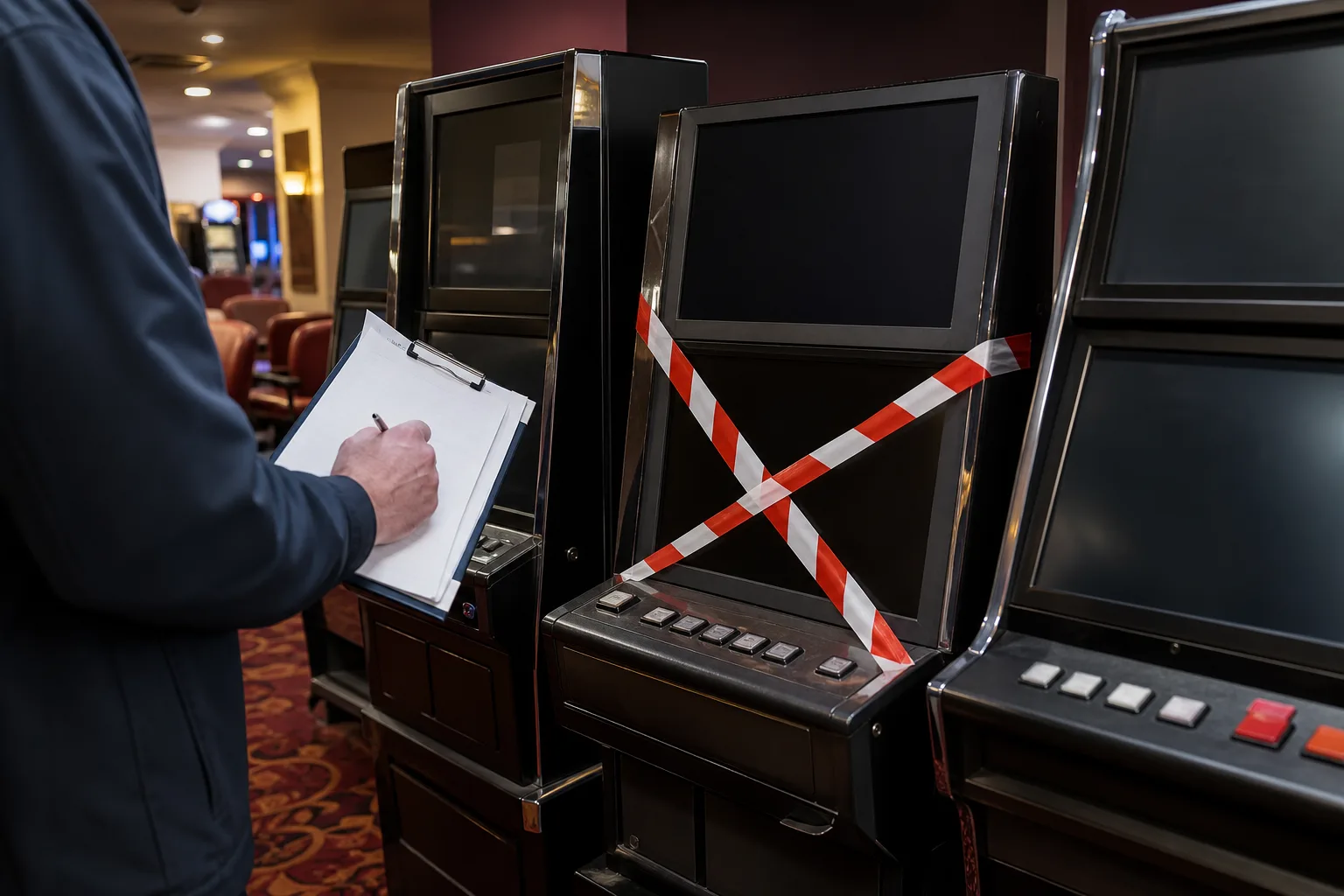
The first action is to prevent play immediately. In practice, that can mean powering the machine down, securing it, removing access controls or moving it away from the customer area. Staff should know who has authority to take that step and should not wait for a senior manager if the notice and machine identification are clear.
The second action is to preserve evidence. Operators should record when the notice was received, when the machine was withdrawn, who acted and how access was prevented. Serial numbers, cabinet identifiers, software versions, maintenance records and supplier contacts should be checked against the Commission's description.
The third action is escalation. Compliance, legal, technical and operations teams may need to coordinate with the supplier or maintenance contractor. A machine should not return to play simply because a local repair has been completed. The operator needs a documented basis for believing the regulatory issue has been resolved and that making it available again is permitted.
Operators should also brief front-line staff on customer questions. The safest explanation is factual and limited: the machine is unavailable while a compliance matter is addressed. Staff should not speculate about faults, player balances or regulatory findings that have not been confirmed.
Why the Commission Introduced the Rule
The Gambling Commission said the change would streamline compliance and enforcement and help ensure that non-compliant machines are removed quickly and effectively. Existing law and licence requirements already obliged operators to make compliant machines available, but the new condition creates a clearer response when the regulator has identified a specific problem.
The change follows a consultation on the Gaming Machine Testing Strategy and forms part of the regulatory programme connected to the 2023 Gambling Act Review white paper. The Commission concluded that the condition would not require businesses to introduce a standing new technical process because action is required only after written notification.
That does not make the rule insignificant. A direct licence condition gives the Commission a straightforward enforcement route if an operator ignores a notice. It also reduces ambiguity for venue staff: once a specified machine is formally identified, commercial pressure or uncertainty about a supplier dispute cannot justify leaving it in use.
The Supply-Chain Compliance Lesson
The rule reinforces a wider trend in gambling regulation: premises operators are expected to understand the compliance status of the products and services they rely on. A venue cannot outsource all responsibility to the machine manufacturer or engineer. It must keep enough information to identify equipment, trace work and respond quickly when a problem is raised.
Useful controls include an accurate machine register, serial and software records, copies of supplier and maintenance credentials, service logs and a defined process for regulatory notices. Contracts should make clear how suppliers will support an urgent withdrawal, investigation and remedial work. Operators should also know whether a third party can remotely disable equipment and how that action is evidenced.
Suppliers, in turn, should expect customers to ask more detailed questions about technical licences and standards. A weak audit trail can turn a contained engineering issue into a longer commercial interruption. The fastest route back to service will usually depend on precise records and a clear explanation of what failed, what was corrected and how recurrence will be prevented.
Consumer Protection and Market Confidence
For customers, the immediate benefit is that a machine identified as non-compliant should not remain in play while responsibility is debated. Technical compliance supports confidence that games operate according to approved rules, required information is presented correctly and relevant protections cannot be bypassed through unlicensed work.
The condition does not mean every notified machine has produced an unfair outcome, nor does it automatically establish that consumers suffered a financial loss. Non-compliance can arise from licensing or technical-process failures. Operators should avoid making broader claims until the regulator or supplier has established the facts.
Even so, speed matters. A machine on a gaming floor can be used repeatedly in a short period. Removing it as soon as the regulator gives written notice limits further exposure and demonstrates that licensed premises can translate technical oversight into a practical consumer safeguard.
What Compliance Teams Should Review Now
Operators should confirm that regulatory correspondence reaches a monitored address and can be escalated outside normal office hours. They should test whether venue teams can identify a machine accurately from the information likely to appear in a notice and whether local managers can disable it without delay.
Machine inventories should match the equipment actually on site. Maintenance and installation records need to identify the licensed business that completed the work. Incident plans should distinguish between routine faults, supplier recalls and a formal Commission notification under Licence Condition 18.1.1.
A tabletop exercise can expose gaps before a real notice arrives. Compliance teams can select a cabinet, simulate a written instruction, track the time to withdrawal and review the evidence produced. The aim is not to create unnecessary bureaucracy; it is to ensure that the simple legal requirement can be carried out quickly across every relevant premises.
Bottom Line
From 29 July 2026, UK non-remote gambling operators have an explicit duty to stop offering a specified gaming machine once the Gambling Commission gives written notice that relevant work lacked the required technical licence or failed to meet technical standards.
The rule gives the regulator a faster route from identifying a problem to removing customer access. For casinos, bingo halls, betting shops and gaming centres, readiness depends on accurate machine records, trained staff and clear supplier escalation. The condition is targeted, but failure to act after notice would turn a technical problem into a direct premises-licence compliance issue.
Primary source: UK Gambling Commission – LCCP Upcoming Changes, published 2026-04-06.
Additional source: UK Gambling Commission – Consultation Response and Final Wording, published 2026-01-29.
Additional source: UK Gambling Commission – New Gaming Machine Rules Announced, published 2026-01-29.